

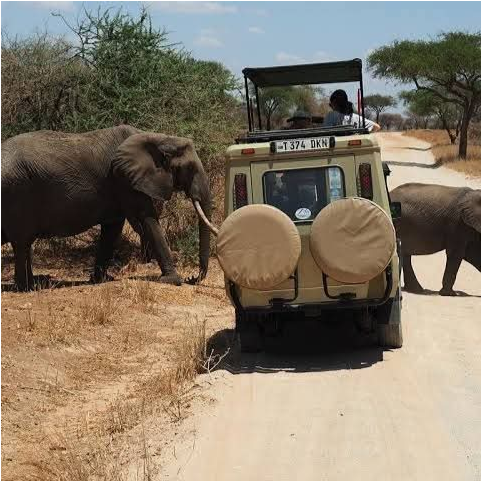
Tanzania stands as one of Africa’s premier safari destinations, offering unparalleled wildlife experiences across iconic landscapes like the Serengeti, Ngorongoro Crater, and Tarangire National Park. However, understanding safari pricing can be complex, with costs varying dramatically based on numerous factors. This comprehensive guide breaks down everything you need to know about Tanzania safari prices to help you plan an unforgettable adventure that fits your budget.
Understanding Tanzania Safari Price Ranges
Tanzania safaris can range from budget-friendly camping expeditions to ultra-luxurious lodge experiences. Generally, safari prices fall into three main categories:
Budget Safaris typically cost between $200 to $300 per person per day. These safaris usually involve camping accommodations, shared game drives, and basic meal provisions. While more economical, budget safaris still provide authentic wildlife viewing experiences with qualified guides and access to Tanzania’s renowned national parks.
Mid-Range Safaris generally range from $350 to $600 per person per day. This category offers comfortable tented camps or lodges with better amenities, smaller group sizes, and more personalized service. Mid-range options strike an excellent balance between cost and comfort, making them the most popular choice among safari-goers.
Luxury and High-End Safaris start at $600 per person per day and can exceed $1,500 or more for ultra-premium experiences. These safaris feature exclusive lodges, private game drives, gourmet dining, spa services, and exceptional personalized attention. Many luxury operators offer walking safaris, hot air balloon rides, and other unique experiences.
Key Factors Affecting Safari Prices
Several critical factors influence the overall cost of your Tanzania safari:
Seasonality plays a significant role in pricing. The high season, running from June to October and during December and January, sees premium prices due to optimal wildlife viewing conditions and the Great Migration spectacle. The low season, from March to May, offers discounts of 20-40% but comes with heavier rainfall and more challenging road conditions.
Duration directly impacts total costs. While longer safaris increase the overall price, the per-day cost often decreases with extended trips. Most operators offer better rates for seven-day or longer safaris compared to shorter three or four-day excursions.
Group Size significantly affects individual costs. Private safaris for couples or small families are considerably more expensive per person than group safaris where costs are shared among six or more participants. Solo travelers typically face single supplements ranging from 30-100% of the base price.
Accommodation Type represents one of the largest cost variables. Camping safaris use basic public or special campsites with shared facilities. Mid-range lodges and tented camps offer private rooms with en-suite bathrooms and comfortable amenities. Luxury properties provide spacious suites, swimming pools, fine dining, and premium locations.
Park Fees constitute a substantial portion of safari costs. Tanzania’s national parks charge daily conservation fees ranging from $50 to $70 per adult for most parks, with the Ngorongoro Conservation Area charging approximately $70 per person. These fees are mandatory and non-negotiable, though they support crucial conservation efforts.
Transportation costs vary based on vehicle type and group size. Standard safari vehicles typically accommodate six passengers, while private safaris may use smaller 4×4 Land Cruisers. Domestic flights between parks, while expensive, save time and add aerial perspectives to your adventure.
 Detailed Cost Breakdown
Understanding what’s included in your safari package helps you evaluate value and avoid hidden costs:
Typically Included: Park entrance fees, accommodation as specified, all meals during the safari, game drives in proper safari vehicles with experienced guides, airport transfers on safari start and end days, and emergency evacuation insurance.
Often Extra: International flights to Tanzania, Tanzania visa fees (approximately $50-100 depending on nationality), travel insurance, alcoholic beverages and premium drinks, tips for guides and camp staff (typically $20-30 per day recommended), optional activities like hot air balloon safaris ($500-600 per person), and personal purchases.
Popular Safari Circuits and Their Costs
Northern Circuit remains Tanzania’s most popular safari route, encompassing Serengeti National Park, Ngorongoro Crater, Tarangire National Park, and Lake Manyara. A seven-day Northern Circuit safari typically ranges from $2,100 for budget camping to $10,500+ for luxury lodges.
Southern Circuit offers a more remote, less crowded experience through Selous Game Reserve (now Nyerere National Park) and Ruaha National Park. Prices tend to be slightly higher due to remoteness, with eight-day safaris ranging from $3,200 to $12,000.
Western Circuit features chimpanzee tracking in Mahale Mountains and Gombe Stream, combined with traditional safari experiences. This circuit is among the most expensive due to logistical challenges, with ten-day trips starting around $6,000 and reaching $20,000 for premium experiences.
 Money-Saving Strategies
Smart planning can significantly reduce safari costs without sacrificing experience quality:
Travel During Shoulder Season from late January to February or November offers excellent wildlife viewing with 15-30% lower prices than peak season rates.
Join Group Safaris by booking guaranteed departure tours or joining scheduled group safaris, which can cut costs by 40-60% compared to private tours.
Book Directly with Local Operators rather than through international agents to eliminate middleman markups, potentially saving 10-20% on overall costs.
Combine Safari with Zanzibar since package deals often offer better value than booking separately, plus you’ll enjoy diverse experiences within one trip.
Choose Strategic Safari Length by focusing on two to three key parks rather than trying to see everything, maximizing wildlife encounters while minimizing transit time and costs.
What You’re Really Paying For
Understanding the value behind safari pricing helps justify the investment:
Conservation Contributions: Park fees directly fund wildlife protection, anti-poaching efforts, and habitat preservation, ensuring these ecosystems survive for future generations.
Local Economic Impact: Safari tourism provides livelihoods for guides, drivers, cooks, lodge staff, and entire communities surrounding national parks.
Expert Knowledge: Professional guides offer years of experience, intimate knowledge of animal behavior, and insights that transform wildlife viewing from simple observation to deep understanding.
Safety and Logistics: Operators handle complex logistics including permits, accommodations, meals, and emergency protocols in remote wilderness areas.
Quality Equipment: Reliable 4×4 vehicles, proper camping gear, and safety equipment require significant investment and maintenance.
Choosing the Right Safari Operator
Selecting a reputable operator ensures value for money and memorable experiences:
Research operators thoroughly through review platforms, direct references, and industry certifications. Look for companies registered with the Tanzania Tourist Board and members of TATO (Tanzania Association of Tour Operators).
Request detailed itineraries showing daily activities, specific accommodations, included meals, and any additional costs. Transparent operators willingly provide comprehensive information.
Compare several quotes carefully, ensuring you’re comparing like with like in terms of accommodation standards, group sizes, and included activities. The cheapest option often compromises on quality or hides costs.
Key Takeaways
- Tanzania safari prices range from $200 to $1,500+ per person per day depending on accommodation level, season, and group size
- Park fees, accommodation, and transportation represent the largest cost components
- Traveling during shoulder season can save 15-30% without sacrificing wildlife viewing quality
- Group safaris offer substantial savings compared to private tours, especially for solo travelers or couples
- Budget safaris can provide excellent wildlife experiences despite basic accommodations
- Conservation fees directly support wildlife protection and should be viewed as investments in Africa’s natural heritage
- Booking with reputable local operators often provides better value than international tour companies
- All-inclusive packages prevent unexpected costs and simplify budgeting
- Longer safaris typically offer better per-day value than short trips
- Hidden costs like tips, visas, and optional activities can add 15-25% to the base price
Frequently Asked Questions
Q: What is the cheapest time to go on a Tanzania safari? A: The green season from March to May offers the lowest prices, with discounts of 20-40%. However, April typically sees the heaviest rainfall. November and late January to early February provide better weather at shoulder season prices.
Q: How much should I budget for a week-long Tanzania safari? A: Budget $1,500-2,100 for camping safaris, $2,500-4,200 for mid-range options, and $4,500-10,500+ for luxury experiences. Add $500-1,000 for flights, visas, tips, and extras.
Q: Are budget safaris worth it, or should I save for mid-range? A: Budget safaris offer authentic experiences with qualified guides and excellent wildlife viewing. The main differences are accommodation comfort and group sizes. If you’re adventurous and don’t mind camping, budget safaris provide tremendous value.
Q: What’s typically the most expensive part of a safari? A: Accommodation costs usually represent 40-60% of safari prices, followed by park fees at 15-25%. For luxury safaris, exclusive lodges in prime locations command premium rates.
Q: Do safari prices include tips for guides and staff? A: No, tips are typically extra. Budget $20-30 per day for guides and $10-15 per day for camp staff. Some luxury lodges include service charges in their rates.
Q: Can I book a safari once I arrive in Tanzania? A: While possible, booking in advance often secures better rates and ensures availability, especially during high season. Last-minute bookings may offer discounts during low season but risk limited choices.
Q: Are private safaris worth the extra cost? A: Private safaris offer flexible schedules, personalized attention, and the ability to spend more time at sightings that interest you most. They’re worthwhile for couples seeking romance, families with children, or anyone wanting maximum flexibility.
Q: How much more expensive is visiting Serengeti versus other parks? A: Serengeti park fees are standard ($70 per adult per day), but its remote location increases transportation costs and lodge rates. Expect 15-30% higher costs for Serengeti-focused itineraries compared to northern parks like Tarangire or Lake Manyara.
Conclusion
Planning a Tanzania safari prices requires balancing budget constraints with the desire for a once-in-a-lifetime experience. While prices can seem substantial, understanding what drives costs helps you make informed decisions aligned with your priorities and financial capabilities.
The diversity of safari options means Tanzania accommodates virtually every budget level. Whether you choose budget camping under African stars, comfortable mid-range lodges, or ultra-luxurious tented suites, the core experience—witnessing incredible wildlife in spectacular landscapes—remains equally accessible and awe-inspiring.
Remember that your safari investment extends beyond personal enjoyment. Every dollar spent supports crucial conservation efforts, protects endangered species, and provides sustainable livelihoods for local communities. This makes your safari not just a vacation but a contribution to preserving one of Earth’s most precious ecosystems.
Start planning early, research thoroughly, communicate clearly with operators about expectations and budgets, and remain flexible with dates to capture the best value. With proper planning and realistic expectations, your Tanzania safari will deliver memories and experiences that far exceed the financial investment, creating stories you’ll share for a lifetime.
The plains of Serengeti, the dramatic Ngorongoro Crater, and Tanzania’s diverse wildlife await. Your dream African safari is more achievable than you might think—now you have the knowledge to make it happen.