

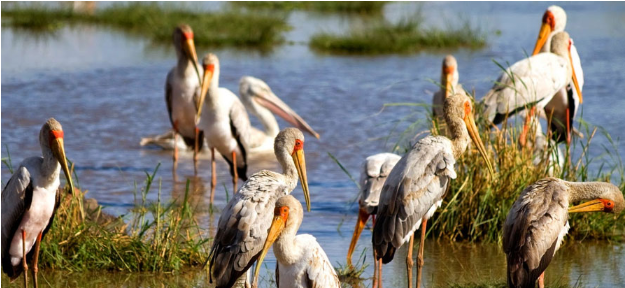
Kenya stands as one of Africa’s premier birding destinations, offering ornithologists and nature enthusiasts an extraordinary opportunity to observe over 1,100 recorded bird species in remarkably diverse habitats. From the Great Rift Valley’s flamingo-adorned lakes to the coastal forests teeming with endemic species, a Kenya birding safari delivers unparalleled avian encounters that rival any destination on Earth.
This East African nation’s strategic location along major migration routes, combined with its varied ecosystems ranging from alpine moorlands to tropical coastlines, creates ideal conditions for both resident and migratory bird populations. Whether you’re an experienced birder seeking rare endemics or a casual nature lover discovering the joy of bird watching, Kenya’s feathered treasures promise unforgettable experiences against backdrops of stunning natural beauty.
Why Kenya is a World-Class Birding Destination
Kenya’s exceptional birding credentials stem from multiple geographic and ecological advantages. The country straddles the equator, creating year-round breeding conditions for many species while serving as a critical stopover for Palearctic migrants escaping northern winters. This positioning results in remarkable species diversity, with Kenya hosting approximately 11% of the world’s bird species within just 0.5% of global landmass.
The diversity of habitats within relatively compact areas allows birders to observe vastly different species within single-day excursions. Morning might find you photographing flamingos at alkaline lakes, afternoon tracking forest-dwelling turacos through highland canopies, and evening watching nightjars hunt across savannah grasslands. Few destinations offer such concentrated avian diversity.
Kenya’s well-developed tourism infrastructure, including experienced birding guides, quality accommodations near prime birding sites, and accessible national parks and reserves, makes organizing successful birding safaris straightforward. Many guides possess encyclopedic knowledge of bird calls, behaviors, and habitats, dramatically increasing sighting success rates and enriching the educational experience.
The country also protects numerous Important Bird Areas (IBAs) recognized by BirdLife International, ensuring critical habitats receive conservation attention. These protected zones safeguard breeding grounds, migration routes, and feeding areas essential for maintaining healthy bird populations.
Kenya’s Premier Birding Habitats and Destinations
The Great Rift Valley Lakes
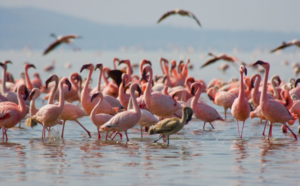
The Rift Valley’s chain of alkaline and freshwater lakes creates spectacular birding opportunities. Lake Nakuru, though flamingo numbers fluctuate with water levels, remains an ornithological wonderland hosting over 450 species. Besides flamingos, birders encounter African fish eagles, pelicans, cormorants, herons, and numerous waders along the shorelines.
Lake Naivasha, a freshwater lake surrounded by acacia woodlands and papyrus marshes, attracts diverse waterbirds including African jacanas, malachite kingfishers, and rare Madagascar pond herons. Boat excursions provide close encounters with hippos while offering optimal viewing angles for aquatic species.
Lake Baringo, Kenya’s most reliable flamingo lake in recent years, also hosts over 470 bird species. The surrounding arid country supports specialized species like Hemprich’s hornbills, while fish-rich waters attract impressive concentrations of African fish eagles and Goliath herons.
Kakamega Forest
This remnant of ancient Guineo-Congolian rainforest represents Kenya’s premier destination for forest birding. Kakamega protects species found nowhere else in Kenya, making it essential for serious birders. Target species include great blue turacos, black-and-white casqued hornbills, blue-headed bee-eaters, and the elusive Turner’s eremomela.
The forest’s multi-layered canopy, from ground level to emergent trees reaching 40 meters, requires patience and neck-craning effort but rewards observers with extraordinary sightings. Early morning bird walks along the forest trails produce the highest activity levels as birds feed and vocalize.
Arabuko Sokoke Forest
Kenya’s largest coastal forest fragment harbors six globally threatened bird species, making it a critical conservation area and must-visit destination for birders. Endemic specialties include Sokoke scops owls, Clarke’s weavers, Amani sunbirds, and Sokoke pipits. The forest’s unique combination of Brachystegia woodland and mixed forest creates habitat diversity supporting over 260 species.
Guided night walks offer chances to see nocturnal species, while dawn walks capture peak activity periods. The nearby Mida Creek provides complementary coastal birding with waders, terns, and mangrove-dwelling species.
Samburu National Reserve
This northern reserve’s arid landscapes support specialized dry-country species rarely seen elsewhere in Kenya. Vulturine guineafowl, Somali ostriches, golden-breasted starlings, and various hornbill species characterize the region. The Ewaso Ng’iro River’s gallery forests attract different species than surrounding thornbush, creating edge habitat effects that increase diversity.
Palm-nut vultures, Pel’s fishing owls, and numerous weaver colonies inhabit riverine areas, while the surrounding drylands host sand grouse, bustards, and larks adapted to harsh conditions.
Maasai Mara National Reserve
While famous for mammals, the Mara offers excellent birding with over 570 recorded species. Raptors particularly impress, with martial eagles, tawny eagles, bateleurs, and secretary birds commonly observed. Riverine forests host trogons, bee-eaters, and various woodland species, while grasslands support endemic species like Jackson’s widowbirds displaying during breeding season.
The diversity of habitats within the Mara—from open plains to acacia woodlands, riverine forests to rocky outcrops—ensures varied birding throughout any visit.
Mount Kenya National Park
High-altitude birding around Mount Kenya reveals specialized alpine species adapted to harsh mountain conditions. Above 3,000 meters, birders seek scarlet-tufted malachite sunbirds, alpine chats, and the spectacular lammergeier (bearded vulture) soaring along cliff faces.
Lower elevation forests support different assemblages including Hartlaub’s turacos, mountain buzzards, and various sunbird species. The altitudinal gradient creates distinct ecological zones, each supporting characteristic bird communities.
Best Time for Kenya Birding Safari
Kenya’s equatorial position ensures productive birding year-round, though seasonal patterns influence species composition and behavior. Understanding these cycles helps optimize birding safari planning.
November through April represents peak birding season when Palearctic migrants augment resident populations. European species escaping northern winters include various warblers, shrikes, swallows, and raptors, dramatically increasing diversity. This period also coincides with the breeding season for many resident species, resulting in heightened activity, vibrant plumage, and conspicuous territorial behaviors.
Breeding season brings spectacular displays as male birds court females through elaborate dances, songs, and plumage exhibitions. Weavers construct intricate nests, widowbirds perform aerial acrobatics with elongated tail feathers, and numerous species adopt bright breeding colors.
The long rains (April-May) and short rains (November) transform landscapes into lush green expanses. While some access roads become challenging and certain lodges close, these periods offer advantages: fewer tourists, lower costs, dramatic skies perfect for photography, and increased activity from resident species responding to abundant food resources.
Dry seasons (January-March and June-October) provide easier travel conditions and concentrated wildlife around water sources. Vegetation thins, improving visibility, while reduced foliage makes canopy species more observable. Dry season birding requires earlier starts as bird activity decreases during midday heat.
For comprehensive species lists, visiting both wet and dry seasons captures different migrants, breeding behaviors, and habitat conditions, though single visits during November-April migration peaks satisfy most birders.
 Essential Equipment for Kenya Birding Safari
Successful birding safaris require appropriate equipment tailored to Kenya’s varied habitats and conditions.
Quality binoculars represent the most critical investment. 8×42 or 10×42 configurations balance magnification with field of view and light-gathering capabilities. Roof prism designs withstand travel rigors while maintaining optical quality. Waterproof and fog-proof features protect against Kenya’s occasional rains and temperature fluctuations.
Spotting scopes with 20-60x zoom prove invaluable for distant waterbirds, raptors, and species across open water or plains. Angled eyepieces reduce neck strain during extended observation sessions. Sturdy tripods stabilize scopes, though vehicle-based birding often utilizes window mounts.
Field guides specific to East African birds provide essential identification references. Popular titles include “Birds of Kenya and Northern Tanzania” by Zimmerman et al., “The Birds of Africa” series, and modern digital apps offering call recordings and distribution maps. Multiple guides allow cross-referencing for difficult identifications.
Camera equipment for bird photography demands telephoto capabilities—400mm minimum, with 500-600mm ideal for smaller species and distant subjects. Fast autofocus, high burst rates, and good low-light performance capture fleeting moments. Mirrorless systems offer weight advantages for safari conditions.
Recording equipment interests serious birders documenting calls and songs. Digital recorders with directional microphones capture vocalizations useful for later identification and contributing to citizen science databases.
Practical items include notebooks for field notes, pens that write in rain, headlamps for pre-dawn starts and night birding, comfortable walking shoes, neutral-colored clothing avoiding bright colors that disturb birds, sun protection, insect repellent, and reusable water bottles.
Birding Safari Styles and Approaches
Kenya birding safaris accommodate various styles matching different preferences, fitness levels, and objectives.
Dedicated birding tours employ specialist guides and naturalists focused exclusively on bird observation. These tours visit prime birding locations, allocate extended time at productive sites, emphasize target species, and maintain flexible schedules accommodating bird activity patterns. Groups typically remain small (4-8 participants) to minimize disturbance and maximize individual attention.
General wildlife safaris with birding components suit travelers combining mammal viewing with ornithological interests. While not exclusively bird-focused, these safaris visit diverse habitats supporting both mammals and birds, providing balanced wildlife experiences.
Photography-specific birding safaris cater to serious bird photographers, emphasizing optimal lighting conditions, close approaches to subjects, extended time at productive locations, and guides understanding photographic requirements. These tours often utilize hides and blinds for intimate encounters without disturbing subjects.
Walking and trekking birding safaris explore forests and highland areas inaccessible to vehicles. Kakamega Forest and Mount Kenya particularly suit this approach. Walking creates intimate engagement with habitats while allowing careful observation of smaller, more secretive species.
DIY independent birding appeals to experienced birders comfortable with self-guided exploration. Kenya’s accessible parks, available field guides, and online resources support independent birding, though hiring local guides significantly increases sighting success and provides valuable ecological insights.
Endemic and Specialty Birds of Kenya
Kenya hosts numerous endemic and near-endemic species that draw international birders specifically to the country.
The Hinde’s pied babbler, endemic to Kenya’s central highlands, inhabits grasslands and cultivated areas. Its restricted range makes it a priority target requiring visits to specific locations like Kinangop Plateau.
Clarke’s weaver, confined to Arabuko Sokoke Forest, represents another Kenyan endemic. This endangered species requires dedicated effort to locate within its limited range.
Turner’s eremomela, found only in Kakamega Forest within Kenya, exemplifies forest endemics requiring specialized habitats. Its skulking behavior and preference for mid-story vegetation demand patience and experienced guidance.
Near-endemics with ranges barely extending beyond Kenya include Jackson’s widowbird, inhabiting highland grasslands, and Sharpe’s longclaw, found in montane areas. The spectacular Kenya violet-backed sunbird frequents coastal and lowland forests.
Specialty species drawing international attention include the Sokoke scops owl, shoebill (occasional in western swamps), Taita falcon, and various turacos displaying iridescent plumage. These signature species feature prominently on target lists for visiting birders.
Conservation Challenges and Community Involvement
Kenya’s bird populations face multiple conservation challenges requiring coordinated responses from government agencies, conservation organizations, and local communities.
Habitat loss through agricultural expansion, urbanization, and deforestation threatens numerous species, particularly forest specialists with restricted ranges. Kakamega and Arabuko Sokoke forests survive as fragments of once-extensive ecosystems, making their protection critical.
Climate change alters rainfall patterns, affecting wetland habitats essential for waterbirds. Fluctuating water levels in Rift Valley lakes impact flamingo populations and breeding success for various waterbird species.
Community-based conservation initiatives demonstrate promising approaches. Local communities around Important Bird Areas increasingly recognize birds’ economic value through ecotourism, creating financial incentives for habitat protection. Revenue from birding tourism funds schools, healthcare, and infrastructure development, building stakeholder support for conservation.
Many lodges and camps employ local guides, purchase supplies from nearby communities, and contribute to conservation funds, ensuring tourism benefits reach local populations. This model creates virtuous cycles where communities protect habitats supporting their livelihoods.
Citizen science projects engage both local and visiting birders in data collection, contributing to understanding population trends, distribution patterns, and conservation priorities. Apps like eBird allow birders worldwide to submit observations, building comprehensive databases informing conservation decisions.
Combining Birding with Other Wildlife Experiences
Kenya birding safaris naturally integrate with mammal viewing, creating comprehensive wildlife experiences. The same habitats supporting exceptional birdlife host elephants, lions, rhinos, and countless other species.
Morning birding sessions capture peak avian activity, while midday heat reduction allows mammal observation when birds quiet down. This rhythm maximizes diverse wildlife encounters within single days.
Boat-based birding on lakes and rivers provides dual opportunities—waterbirds overhead and along shores, hippos and crocodiles in the water. Sunset cruises on Lake Naivasha combine golden-hour photography with spectacular bird activity as species return to roosts.
Cultural experiences complement birding safaris. Visiting Maasai or Samburu communities adds human dimensions to wildlife observations, revealing how traditional cultures coexist with nature. Many communities maintain bird-friendly landscapes through traditional pastoralism avoiding intensive agriculture.
Coastal extensions combine forest birding at Arabuko Sokoke with beach relaxation and marine experiences. Mangrove ecosystems support specialized bird communities while offering unique ecological exploration.
Conclusion
A Kenya birding safari delivers extraordinary opportunities to observe remarkable avian diversity within stunning landscapes. From flamingo masses painting lakes pink to secretive forest species requiring patient stalking, from powerful raptors soaring overhead to tiny sunbirds hovering at flowers, Kenya’s birdlife captivates observers regardless of experience level.
The country’s combination of habitat diversity, strategic geographic position, well-developed infrastructure, and conservation commitment creates ideal conditions for birding adventures. Whether pursuing comprehensive species lists, photographing specific targets, or simply enjoying nature’s feathered beauty, Kenya accommodates every birding aspiration.
Beyond individual enjoyment, participating in Kenya birding safaris supports conservation efforts protecting critical habitats and wildlife populations. Tourism revenue provides economic justification for preserving forests, wetlands, and grasslands, while engaging local communities creates stakeholders invested in environmental stewardship.
As you plan your Kenya birding safari, prepare for experiences that transcend simple bird watching—prepare for immersion in ecosystems where every habitat layer reveals new species, where dawn choruses fill the air with complex symphonies, and where patient observation rewards you with intimate glimpses into avian behaviors evolved over millennia. Kenya’s birds await, ready to transform your understanding of nature’s incredible diversity and beauty.
Key Takeaways
- Kenya hosts over 1,100 recorded bird species, representing approximately 11% of global bird diversity, making it one of Africa’s premier birding destinations
- Prime birding locations include the Rift Valley lakes (flamingos and waterbirds), Kakamega Forest (rainforest species and endemics), Arabuko Sokoke Forest (coastal endemics), Samburu (dry-country specialists), and Mount Kenya (alpine species)
- The best birding season runs from November through April when Palearctic migrants join resident populations, coinciding with breeding season for many species
- Essential equipment includes quality binoculars (8×42 or 10×42), field guides specific to East Africa, spotting scopes for distant species, and camera equipment with telephoto lenses (400-600mm) for photography
- Kenya protects several endemic species including Hinde’s pied babbler, Clarke’s weaver, and Turner’s eremomela, plus numerous near-endemics like Jackson’s widowbird
- Birding safari styles range from dedicated ornithological tours with specialist guides to general wildlife safaris incorporating birding, photography-focused expeditions, and walking safaris in forests and highlands
- Community-based conservation initiatives create economic incentives for habitat protection, with birding tourism revenue supporting local livelihoods and environmental stewardship
- Kenya’s diverse habitats allow birders to observe vastly different species within single days, from alpine specialists on Mount Kenya to coastal forest endemics and grassland birds of the Maasai Mara
Frequently Asked Questions
What is the best time of year for a Kenya birding safari?
November through April represents the optimal period for Kenya birding safaris. During these months, Palearctic migrants escaping northern winters augment resident bird populations, dramatically increasing diversity. This period coincides with breeding season for many resident species, resulting in vibrant plumage, territorial displays, and heightened vocal activity. However, Kenya offers productive birding year-round, with dry seasons (January-March and June-October) providing easier travel conditions and better visibility, while rainy seasons offer lush landscapes and fewer tourists.
How many bird species can I expect to see on a Kenya birding safari?
Species counts vary based on trip duration, locations visited, season, and effort invested. A well-planned week-long birding safari visiting diverse habitats typically yields 300-400 species. Two-week expeditions covering major birding destinations can exceed 500 species. Single-location visits produce more modest numbers—100-200 species depending on habitat diversity. Serious birders pursuing comprehensive lists over multiple trips have recorded 900+ species within Kenya.
Do I need to be an experienced birder to enjoy a Kenya birding safari?
No prior birding experience is necessary. Kenya’s spectacular birdlife captivates observers regardless of expertise level. Colorful and charismatic species like turacos, hornbills, flamingos, and sunbirds provide immediate enjoyment for beginners, while abundant diversity challenges experienced birders. Quality guides adapt to participant knowledge levels, providing appropriate identification assistance and ecological context. Many people discover their passion for birding during Kenya safaris when exposed to such remarkable avian diversity.
What are Kenya’s most sought-after endemic bird species?
Kenya hosts several endemic species that draw international birders. The Hinde’s pied babbler, found only in central Kenyan highlands, tops many lists. Clarke’s weaver, restricted to Arabuko Sokoke Forest, represents another critical endemic. Turner’s eremomela, confined to Kakamega Forest within Kenya, requires dedicated effort. Near-endemics include Jackson’s widowbird, Sharpe’s longclaw, and various range-restricted forest species. The Sokoke scops owl, though not strictly endemic, remains highly sought due to its limited range and endangered status.
Can I combine birding with traditional wildlife viewing?
Absolutely. Kenya birding safaris naturally complement mammal viewing. The same habitats supporting exceptional birdlife host elephants, lions, leopards, rhinos, and other iconic African wildlife. Many birders structure days with early morning bird-focused activities during peak avian activity, followed by general game drives observing mammals during midday when bird activity decreases. This approach maximizes diverse wildlife encounters. Some lodges specialize in combined birding and mammal safaris, employing guides knowledgeable about both.
What camera equipment do I need for bird photography in Kenya?
Serious bird photography requires telephoto lenses of 400mm minimum, with 500-600mm ideal for capturing smaller species and distant subjects. Fast autofocus, high continuous shooting rates (8-10 fps minimum), and good ISO performance for early morning low-light conditions prove essential. Mirrorless cameras offer weight advantages important for safari conditions. Sturdy tripods or monopods stabilize equipment, though vehicle-based photography often utilizes bean bags or window mounts. Multiple memory cards and backup batteries ensure you never miss opportunities due to technical limitations.
Are specialized birding guides necessary or can I bird independently?
While independent birding is possible in Kenya, hiring specialized birding guides dramatically increases success rates and overall experience quality. Expert guides know specific locations for target species, recognize birds by calls and brief glimpses, understand seasonal movements and behavior patterns, and provide ecological context enriching observations. They navigate logistics, handle park regulations, and often maintain networks sharing sighting information. For visiting birders unfamiliar with African species and Kenyan habitats, guides prove invaluable. Independent birding works better for experienced birders comfortable with self-guided exploration and field guide usage.
What should I pack for a Kenya birding safari?
Essential items include quality binoculars (8×42 or 10×42), field guides for East African birds, notebook and pen for field notes, comfortable neutral-colored clothing (avoiding bright colors and camouflage patterns), layered options for varying temperatures, sturdy walking shoes, wide-brimmed hat, sunglasses, sunscreen (SPF 30+), insect repellent, reusable water bottle, headlamp for pre-dawn starts, camera equipment if photographing, and personal medications. Many lodges provide laundry services allowing lighter packing. Waterproof bags protect equipment during unexpected rains.
How physically demanding are Kenya birding safaris?
Physical demands vary by safari type and locations visited. Vehicle-based birding requires minimal fitness—primarily walking short distances and standing for observations. Forest birding involves hiking uneven trails, sometimes for several hours, requiring moderate fitness levels. Highland birding around Mount Kenya involves altitude effects, necessitating acclimatization and reasonable cardiovascular fitness. Most operators customize itineraries matching participant fitness levels. Inform operators about mobility limitations or health concerns during planning to ensure appropriate activity selection.
What conservation initiatives support Kenya’s bird populations?
Multiple organizations work to protect Kenya’s avian diversity. BirdLife International designates and supports Important Bird Areas (IBAs) throughout Kenya, focusing conservation efforts on critical habitats. The Nature Kenya organization conducts research, advocates for habitat protection, and engages communities in conservation. Community conservancies around key birding sites like Arabuko Sokoke employ local people as guides and rangers, creating economic incentives for protection. Tourism revenue from birding safaris funds conservation programs and community development projects. International birders contribute through park fees, guide tips, and donations to conservation organizations, directly supporting habitat protection and research initiatives.