

Hiking Mount Kilimanjaro is one of the most iconic trekking experiences in the world. Rising to 5,895 meters (19,341 feet), it is the highest mountain in Africa and the tallest free-standing mountain globally. Unlike technical climbs that require advanced mountaineering skills, Kilimanjaro offers a non-technical hike accessible to individuals with good physical fitness and proper preparation. However, the challenge lies in altitude, endurance, and mental resilience.
This article provides a structured and detailed overview of hiking Kilimanjaro, covering routes, preparation, costs, best timing, and essential tips for success.
Overview of Mount Kilimanjaro
Located in northern Tanzania, near the border of Kenya, Kilimanjaro is a dormant volcanic mountain composed of three cones: Kibo, Mawenzi, and Shira. The summit, Uhuru Peak on Kibo, is the ultimate goal for hikers.
What makes Kilimanjaro unique is its ecological diversity. As trekkers ascend, they pass through five distinct climate zones:
- Cultivated farmland
- Rainforest
- Moorland
- Alpine desert
- Arctic summit
This transition offers a rare opportunity to experience multiple ecosystems in a single journey.
Popular Hiking Routes
Choosing the right route significantly impacts your success rate and overall experience.
1. Machame Route (“Whiskey Route”)
The Machame Route is one of the most popular and scenic paths.
- Duration: 6–7 days
- Difficulty: Moderate to challenging
- Success Rate: High due to better acclimatization
2. Lemosho Route
Considered one of the best routes for scenery and acclimatization.
- Duration: 7–8 days
- Difficulty: Moderate
- Success Rate: Very high
3. Marangu Route (“Coca-Cola Route”)
The only route with hut accommodations instead of tents.
- Duration: 5–6 days
- Difficulty: Moderate
- Success Rate: Lower due to shorter acclimatization time
4. Rongai Route
Approaches from the northern side near Kenya.
- Duration: 6–7 days
- Difficulty: Moderate
- Highlights: Less crowded, drier conditions
5. Northern Circuit
The longest and most comprehensive route.
- Duration: 8–9 days
- Difficulty: Moderate
- Success Rate: Highest among all routes
Best Time to Hike Kilimanjaro
Kilimanjaro can be climbed year-round, but weather conditions vary significantly.
Ideal Months:
- January to March: Cooler and less crowded
- June to October: Dry season with clear views
Avoid:
- April and May: Heavy rains
- November: Short rainy season
Choosing the right time improves both safety and visibility.
Physical and Mental Preparation
Although Hiking Kilimanjaro is a trekking peak, it demands serious preparation.
Physical Fitness
Focus on:
- Cardiovascular endurance (running, cycling)
- Strength training (legs and core)
- Long-distance hiking practice
Training should begin at least 8–12 weeks before the climb.
Mental Readiness
The summit push is particularly challenging, often starting at midnight in extreme cold. Mental resilience is crucial to overcome fatigue and altitude discomfort.
Altitude and Acclimatization
Altitude sickness is the primary challenge on Kilimanjaro. As elevation increases, oxygen levels decrease, leading to symptoms such as headaches, nausea, and fatigue.
Prevention Tips:
- Choose longer routes for better acclimatization
- Follow the “climb high, sleep low” principle
- Stay hydrated
- Consider medications like Acetazolamide (consult a doctor)
Ignoring altitude symptoms can lead to serious conditions such as acute mountain sickness (AMS).
Essential Gear and Packing List
Proper gear is critical for safety and comfort.
Clothing:
- Moisture-wicking base layers
- Insulated jackets
- Waterproof outer layers
- Thermal gloves and hats
Equipment:
- High-quality hiking boots
- Sleeping bag rated for sub-zero temperatures
- Trekking poles
- Headlamp
Accessories:
- Sunglasses with UV protection
- Sunscreen
- Reusable water bottles or hydration systems
Layering is essential due to drastic temperature changes.
Cost of Hiking Kilimanjaro
Climbing Kilimanjaro is relatively expensive due to park fees, guides, and logistics.
Estimated Cost:
- Budget: $1,500 – $2,500
- Mid-range: $2,500 – $4,000
- Luxury: $4,000+
Cost Includes:
- Park fees
- Guides and porters
- Meals and accommodation
- Safety equipment
Tipping is customary and expected for guides and porters.
Safety and Regulations
Climbing Kilimanjaro requires booking through a licensed operator. Independent hiking is not permitted.
Safety Measures:
- Professional guides monitor health and pace
- Daily health checks (oxygen levels, heart rate)
- Emergency evacuation services available
The Kilimanjaro National Park regulates all trekking activities to ensure environmental protection and climber safety.
Environmental Responsibility
Kilimanjaro is a fragile ecosystem. Responsible trekking is essential.
Best Practices:
- Follow Leave No Trace principles
- Avoid single-use plastics
- Respect wildlife and vegetation
- Support ethical tour operators
Sustainable tourism helps preserve the mountain for future generations.
Summit Day Experience
Summit day is the most demanding part of the hike. Trekkers typically begin around midnight to reach Uhuru Peak at sunrise.
Challenges:
- Freezing temperatures (down to -20°C)
- Steep ascent
- Low oxygen levels
Rewards:
- Spectacular sunrise views
- Sense of accomplishment
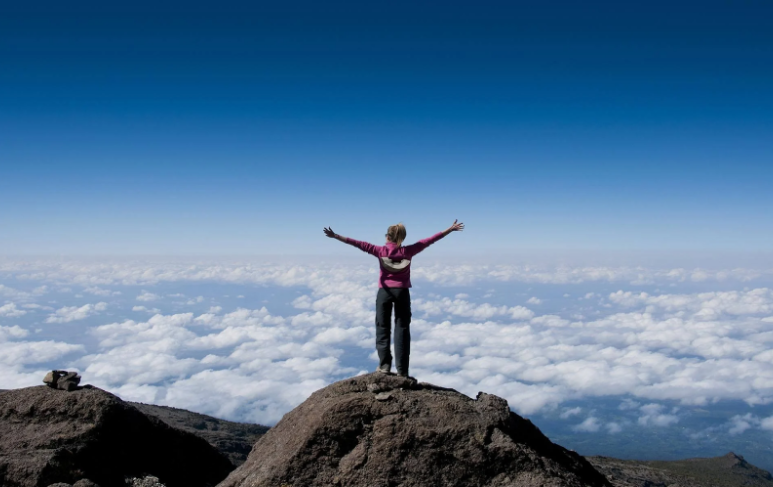
- Panoramic landscapes above the clouds
Reaching the summit is a life-changing achievement for many hikers.
Key Takeaways
- Mount Kilimanjaro is the highest peak in Africa and a non-technical but physically demanding trek.
- Route selection significantly affects success rate and experience.
- Proper acclimatization is critical to avoid altitude sickness.
- The best months to hike are January–March and June–October.
- Preparation, both physical and mental, is essential for success.
- Hiring a licensed operator is mandatory and ensures safety.
- Sustainable practices help preserve the mountain’s ecosystem.
Frequently Asked Questions (Q&A)
1. Do I need climbing experience to hike Kilimanjaro?
No, Kilimanjaro is a trekking peak and does not require technical climbing skills. However, good physical fitness is necessary.
2. How long does it take to hike Kilimanjaro?
Most routes take between 5 to 9 days, depending on the chosen path and acclimatization schedule.
3. What is the success rate?
Success rates vary by route. Longer routes like Lemosho and Northern Circuit have higher success rates (over 85%).
4. Is altitude sickness common?
Yes, many climbers experience mild symptoms. Proper acclimatization and hydration reduce risks.
5. What is the hardest part of the climb?
Summit day is the most challenging due to altitude, cold temperatures, and long trekking hours.
6. Can beginners climb Kilimanjaro?
Yes, beginners can successfully reach the summit with adequate preparation and guidance.
7. Is it safe to hike Kilimanjaro?
Yes, when done with a licensed operator and proper precautions, it is considered safe.
8. What should I pack for Kilimanjaro?
Essential items include layered clothing, hiking boots, sleeping bags, trekking poles, and hydration systems.
Conclusion
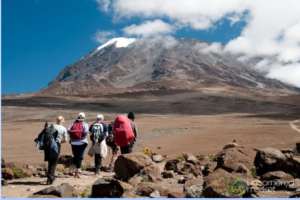
Hiking Kilimanjaro represents a remarkable blend of adventure, endurance, and natural beauty. While it does not demand technical mountaineering skills, the journey is far from easy. Success depends on careful planning, proper acclimatization, and physical readiness.
From diverse ecosystems to the awe-inspiring summit at Uhuru Peak, Kilimanjaro offers an unforgettable experience that attracts thousands of trekkers each year. With the right approach, preparation, and mindset, reaching the “Roof of Africa” becomes an achievable and deeply rewarding goal.