

Introduction
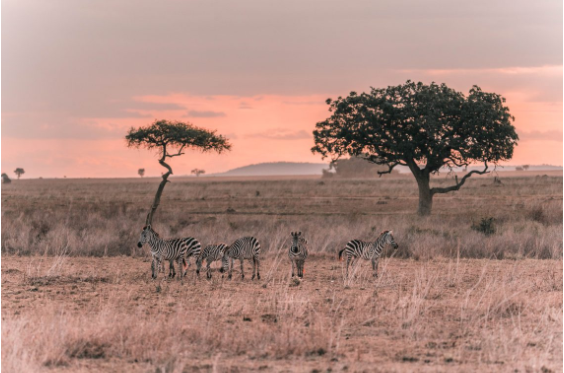
Tanzania is a country that defies a single itinerary. Its wildlife zones span from the sweeping golden plains of the Serengeti to the ancient volcanic crater of Ngorongoro, from the elephant-rich woodlands of Tarangire to the remote river systems of the Selous. No two travelers arrive with identical passions, schedules, or budgets — and no single pre-packaged tour can honor the full depth of what this extraordinary destination offers.
A custom Tanzania safari itinerary changes that equation entirely. Rather than slotting your travel into someone else’s template, a customized safari is architected around your specific interests, travel dates, group composition, physical comfort level, and the wildlife events you most want to witness. It is the difference between seeing Tanzania and truly experiencing it.
This guide walks you through everything you need to know about building a custom Tanzania safari itinerary — what to include, how to sequence destinations intelligently, which seasonal factors to consider, and how to work with the right operator to bring your vision to life.
Why Custom Beats Cookie-Cutter
The standard Tanzania safari package typically covers three to four destinations in seven to ten days, hitting the Serengeti, Ngorongoro Crater, and Lake Manyara in a well-worn loop. These packages are not without merit — they cover iconic ground efficiently. But they are designed for the average traveler, not for you specifically.
A custom itinerary, by contrast, begins with a conversation. What drives your passion for this journey? Are you a serious wildlife photographer who needs extended golden-hour sessions at waterhole hides? A birder chasing Tanzania’s 1,100-plus species? A family introducing young children to the bush for the first time? A couple celebrating an anniversary in search of the most romantically remote camp imaginable? Each of these travelers requires a fundamentally different blueprint.
Custom itineraries also allow for intelligent sequencing — arranging destinations in an order that maximizes wildlife sightings, minimizes unnecessary road time, and aligns with the seasonal rhythms of each ecosystem. A skilled operator designs routes that flow naturally, using a combination of driving, light aircraft transfers, and boat safaris to create a seamless and varied journey.
Building Blocks of a Custom Tanzania Safari Itinerary
Step 1: Define Your Travel Window and Duration
Tanzania rewards longer stays. A five-day safari scratches the surface; ten to fourteen days allows for genuine immersion. When defining your travel window, consider:
- Seasonality: Tanzania has two primary seasons. The dry season (June–October) offers excellent game viewing as wildlife concentrates around water. The wet season (November–May) brings lush scenery, fewer crowds, lower accommodation rates, and the spectacle of wildebeest calving in the southern Serengeti (January–February).
- Public holidays and school breaks: These affect both international flight availability and in-park vehicle density.
- Your own flexibility: The more flexible your dates, the more options your operator has to build the ideal sequence.
Step 2: Identify Your Core Interests
Custom itinerary design works best when travelers articulate what matters most to them. Common priority categories include:
- The Great Migration: If witnessing wildebeest river crossings is the primary goal, your itinerary must place you in the northern Serengeti between July and October.
- The Big Five: Lions, elephants, buffalo, leopards, and rhinos are all present in Tanzania. Ngorongoro Crater offers the densest population of all five in a single location.
- Primates and forests: Mahale Mountains for chimpanzee trekking, or Gombe Stream National Park — where Jane Goodall conducted her pioneering research — for intimate chimp encounters in a forested lakeside setting.
- Walking safaris and remote wilderness: The southern circuit — Selous (Nyerere National Park) and Ruaha National Park — caters to those seeking solitude, walking, and boat-based game viewing in vast, uncrowded landscapes.
- Cultural immersion: Time with Maasai communities around the Ngorongoro Conservation Area, or visits to Hadzabe bushmen villages near Lake Eyasi, can be woven into a custom itinerary with sensitivity and authenticity.
- Beach extension: Many travelers combine their safari with a post-game Zanzibar stay — turquoise waters, historic Stone Town, and white-sand beaches provide a perfect counterpoint to dusty bush days.
Step 3: Select Your Destinations and Sequence Them Wisely
A custom itinerary typically strings together two to five destinations. Here is how a thoughtful operator approaches sequencing:
Northern Circuit (Most Popular) The northern circuit anchors most Tanzania itineraries and encompasses Arusha (gateway city), Tarangire National Park, Lake Manyara National Park, Ngorongoro Conservation Area, and the Serengeti. A logical sequence moves from Tarangire (elephants and baobabs) through Manyara (tree-climbing lions, flamingos) to Ngorongoro (the crater) and culminates in the Serengeti — saving the most iconic landscape for last. Fly-in options from Arusha to the Serengeti spare travelers hours of road time and open the experience with dramatic aerial views of the plains.
Southern Circuit (For the Intrepid Traveler) Selous Game Reserve and Ruaha National Park together form Tanzania’s most remote and rewarding southern circuit. This pairing suits independent, adventurous travelers willing to fly into the bush. Walking safaris, boat safaris on the Rufiji River, and night drives (permitted in private concessions adjacent to Selous) are highlights unavailable on the northern circuit.
Western Tanzania (The Ultimate Off-Grid Experience) Combining Katavi National Park with Mahale Mountains National Park creates one of Africa’s most extraordinary itineraries. Katavi offers staggering dry-season concentrations of hippos and crocodiles with almost no other tourists present. Mahale is accessible only by light aircraft and boat across Lake Tanganyika, where habituated chimpanzee communities roam ancient forests above the world’s second-deepest lake.
The Grand Tanzania Circuit For those with fourteen or more days, a combination of northern circuit parks, a southern extension to Selous or Ruaha, and a Zanzibar beach finale creates a comprehensive Tanzanian experience that captures the full diversity of the country’s wildlife and landscapes.
Step 4: Choose Your Accommodation Style
Custom itineraries allow travelers to mix accommodation types according to taste and budget:
- Permanent luxury tented camps: Classic safari aesthetic with canvas walls, four-poster beds, ensuite bathrooms, and wraparound verandas overlooking wildlife areas. Brands like Singita Grumeti, &Beyond Ngorongoro Crater Lodge, and Nomad’s Lamai Serengeti set the global standard.
- Mobile tented camps: Follow the Great Migration seasonally, placing guests precisely where the wildlife action is. These camps are more rustic but intensely atmospheric.
- Fly camps and sleep-out decks: For the ultimate wilderness immersion, some private operators arrange overnight experiences in the open bush — sleeping under a star canopy in a remote corner of the Serengeti with nothing between you and the African night.
- Private conservancy camps: Situated on private land adjacent to national parks, these camps permit activities forbidden inside parks, including night drives, walking safaris, and off-road tracking.
Step 5: Layer in Unique Experiences
What separates a memorable custom safari from a merely good one is the layering of unexpected, signature experiences:
- A dawn hot air balloon flight over the Serengeti, landing with a champagne breakfast in the bush
- A guided bush walk with a Maasai elder who reads the landscape through centuries of ancestral knowledge
- A fly-camping experience on a remote kopje (granite outcrop) with a private chef and ranger
- A photography masterclass with a professional wildlife photographer embedded in your itinerary
- A sunset dhow cruise off Zanzibar’s coast as the final evening of the journey
Sample Custom Itinerary: 10 Days in Tanzania
| Day | Location | Highlights |
| 1 | Arusha | Arrival, orientation briefing, Arusha coffee farm visit |
| 2–3 | Tarangire National Park | Elephant herds, baobab landscapes, night drive |
| 4 | Ngorongoro Crater | Early descent, Big Five, black rhino, flamingos |
| 5–7 | Serengeti (Central & North) | Big cats, fly-in transfer, dawn game drives |
| 8 | Serengeti | Hot air balloon at sunrise, bush breakfast |
| 9–10 | Zanzibar | Stone Town, Spice Farm tour, Indian Ocean beach |
Key Takeaways
- Customization begins with your priorities. Before any destination is chosen, define what you most want to see, do, and feel. This shapes every subsequent decision.
- Sequencing matters as much as destination selection. A poorly ordered itinerary costs time and energy. Intelligent routing — often using light aircraft between zones — maximizes wildlife time.
- Season is a strategic variable. Aligning your dates with specific wildlife events — the Great Migration, calving season, dry-season concentrations — transforms a good safari into an exceptional one.
- Longer itineraries deliver deeper experiences. Ten to fourteen days allows for genuine immersion, slower pacing, and the serendipitous moments that rushed safaris miss entirely.
- Accommodation choice defines the atmosphere. From ultra-luxury lodges to remote fly camps, where you sleep shapes the texture of the entire journey.
- The southern and western circuits reward the adventurous. Selous, Ruaha, Katavi, and Mahale offer world-class wildlife with a fraction of the visitors — for travelers willing to go further, the rewards are extraordinary.
Q&A: Custom Tanzania Safari Itinerary
Q: How far in advance should I plan a custom Tanzania safari? A: For peak season travel (June–October), booking six to twelve months in advance is strongly recommended. The most sought-after camps — particularly mobile migration camps in the northern Serengeti — sell out rapidly. For shoulder or green season travel, three to six months is usually sufficient. That said, experienced operators can sometimes piece together compelling last-minute itineraries using their camp relationships and inventory knowledge.
Q: What is the ideal trip length for a first-time Tanzania safari? A: For a first visit, ten days is the sweet spot. It comfortably accommodates three to four destinations, allows for a manageable pace without rushing between parks, and still leaves time for the unexpected — an afternoon watching a lioness and cubs, an unplanned stop at a termite mound covered in bee-eaters. Anything shorter than seven days risks feeling like a highlights reel rather than a true immersion.
Q: How much does a custom Tanzania safari itinerary cost compared to a standard package? A: Custom itineraries are typically priced on a per-person, per-night basis and carry a modest planning premium over rigid group packages. However, because every element is tailored — accommodation, transfers, guide time, and activities — travelers avoid paying for components they don’t want while investing more in what genuinely matters to them. Mid-range custom safaris average $500–$900 per person per night all-inclusive; luxury and ultra-premium experiences range from $1,000 to $3,000 or more.
Q: Can a custom itinerary accommodate special dietary needs and health requirements? A: Absolutely. Reputable private operators communicate all dietary requirements — vegan, halal, gluten-free, allergen-specific — to every camp and lodge in advance. Health considerations, including altitude acclimatization for Kilimanjaro-adjacent itineraries, accessibility needs for travelers with limited mobility, and proximity to medical facilities, are all factored into custom routing. Always disclose health concerns to your operator at the planning stage.
Q: Is it possible to combine a Tanzania safari with a gorilla trekking experience? A: Yes. While gorilla trekking is most associated with Rwanda and Uganda, it can be elegantly combined with a Tanzania safari through a multi-country East Africa itinerary. A popular routing pairs Tanzania’s Serengeti with Rwanda’s Volcanoes National Park for mountain gorilla trekking, connected by a short regional flight. Your custom operator handles all cross-border logistics, permits, and accommodation across both countries.
Conclusion
A custom Tanzania safari itinerary is not a luxury reserved for the ultra-wealthy or the endlessly experienced traveler. It is the most intelligent and rewarding way for any traveler — first-timer or returning enthusiast — to engage with one of the planet’s last great wild places.
When your itinerary is built around your curiosity, calibrated to the seasons, and guided by people who know this land with genuine intimacy, Tanzania stops being a destination on a bucket list and becomes something far more personal: a story that is entirely, unmistakably yours.
The Serengeti does not care whether you arrived on a package tour or a bespoke expedition. But the memories you leave with — the images, the silences, the moments of breathless disbelief — depend enormously on how your journey was designed. Choose a custom. Choose depth. Choose Tanzania on your own terms.