

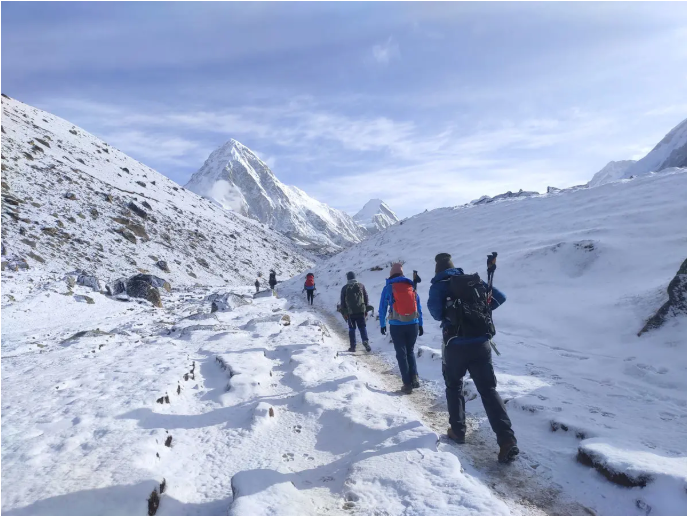
The Everest Base Camp Trek is one of the most remarkable adventures in the Himalayas, attracting trekkers from around the world who want to experience the breathtaking beauty of the Everest region. The journey takes you through traditional Sherpa villages, ancient Buddhist monasteries, high mountain valleys, and spectacular landscapes surrounded by some of the world’s highest peaks.
Although the trek does not require technical climbing skills, reaching Everest Base Camp is a physically demanding adventure. Proper preparation, a sensible pace, and enough time for acclimatization are essential for a safe and enjoyable experience.
One of the most important parts of planning the journey is choosing the right Everest Base Camp Trek Itinerary. A well-designed itinerary balances walking distances with acclimatization and allows trekkers to enjoy the experience without rushing.
Why Choose the Everest Base Camp Trek?
The Everest Base Camp Trek is about much more than reaching the foot of Mount Everest. It provides an opportunity to experience the unique culture, traditions, and hospitality of the Sherpa people while exploring the spectacular Khumbu region.
Some of the major highlights include:
- Walking through traditional Himalayan villages
- Exploring Namche Bazaar
- Visiting Tengboche Monastery
- Crossing impressive suspension bridges
- Enjoying views of Everest, Lhotse, Nuptse, and Ama Dablam
- Experiencing the unique Sherpa culture
- Reaching Everest Base Camp
- Hiking to Kala Patthar for panoramic mountain views
Every section of the trail offers a different perspective of the Himalayan landscape.
Everest Base Camp Trek Itinerary
A standard Everest Base Camp Trek Itinerary usually takes around 12 to 16 days, depending on the route, acclimatization schedule, transportation arrangements, and individual fitness.
Below is a practical example of a classic itinerary.
Day 1: Arrival in Kathmandu
Your adventure begins in Kathmandu. After arriving, you can meet your trekking team, complete any remaining preparations, and review the trek plan.
This is also a good opportunity to check your equipment and make sure you have everything required for the journey.
Day 2: Kathmandu Preparation Day
Use the second day to finalize permits, organize trekking equipment, and prepare for the journey into the Everest region.
You can also explore some of Kathmandu’s cultural attractions if time allows.
Day 3: Fly to Lukla and Trek to Phakding
The mountain adventure begins with a flight toward Lukla. After landing, the trek starts through the beautiful Khumbu landscape.
The trail passes through small settlements and follows the Dudh Koshi River toward Phakding, where you spend the night.
Day 4: Phakding to Namche Bazaar
The trail continues through forests and across suspension bridges before reaching the entrance to Sagarmatha National Park.
The route gradually becomes more challenging as you approach Namche Bazaar, one of the most important towns in the Everest region.
Namche is also a key acclimatization point.
Day 5: Acclimatization in Namche Bazaar
An acclimatization day is an important part of the Everest Base Camp Trek Itinerary.
Instead of remaining completely inactive, trekkers can take a short hike around the surrounding hills and return to Namche to sleep at the same elevation.
This helps the body gradually adapt to the increasing altitude.
Day 6: Namche Bazaar to Tengboche
The trail leaves Namche and follows a scenic route with excellent views of the Himalayan peaks.
After passing through forests and mountain settlements, you reach Tengboche, home to the famous Tengboche Monastery.
The surrounding mountain scenery makes this one of the most memorable sections of the trek.
Day 7: Tengboche to Dingboche
The landscape gradually changes as you move above the tree line. The trail passes through traditional villages and alpine terrain before reaching Dingboche.
Dingboche is another important location for acclimatization.
Day 8: Acclimatization in Dingboche
Another acclimatization day allows your body to adjust to the higher elevation.
A short hike to a nearby viewpoint can provide spectacular views while keeping the day’s physical demands manageable.
Day 9: Dingboche to Lobuche
The trail continues toward the higher sections of the Khumbu Valley.
As you approach Lobuche, the landscape becomes increasingly rugged, with dramatic mountain scenery surrounding the trail.
Because the altitude is now significant, maintaining a steady pace and staying properly hydrated is important.
Day 10: Lobuche to Everest Base Camp and Gorak Shep
This is one of the most exciting days of the Everest Base Camp Trek.
The trail follows the Khumbu Glacier toward Gorak Shep before continuing to Everest Base Camp. After spending time at Base Camp and enjoying the surrounding scenery, trekkers return to Gorak Shep for the night.
Reaching Everest Base Camp is a major achievement, but the journey is not yet complete.
Day 11: Kala Patthar and Trek to Pheriche
An early-morning hike to Kala Patthar provides one of the best panoramic viewpoints in the Everest region.
From the viewpoint, trekkers can enjoy spectacular views of Mount Everest and surrounding Himalayan peaks.
After returning to Gorak Shep, the descent begins toward Pheriche.
Day 12: Pheriche to Namche Bazaar
The return journey follows the trail back through the Khumbu Valley.
Descending to lower elevations generally feels easier physically, and trekkers can enjoy the changing scenery as they return toward Namche Bazaar.
Day 13: Namche Bazaar to Lukla
The final major trekking day takes you back toward Lukla.
The trail passes through forests, villages, and suspension bridges before reaching Lukla, where you can celebrate the completion of the trekking portion of the adventure.
Day 14: Fly from Lukla to Kathmandu
Weather conditions permitting, you take a flight from Lukla back to Kathmandu.
Once in Kathmandu, you can relax, explore the city, or prepare for your onward journey.
Day 15: Departure
Your Everest adventure comes to an end. Depending on your flight schedule, you can enjoy some additional time in Kathmandu before departing Nepal.
Important Factors When Planning Your Itinerary
Not every trekker needs exactly the same itinerary. Several factors should be considered when creating your plan.
Acclimatization
Acclimatization should be one of the highest priorities. A slower itinerary with appropriate acclimatization days is generally preferable to rushing toward Base Camp.
Physical Fitness
The trek involves long walking days, steep ascents and descents, and high-altitude terrain. Preparing through regular hiking and cardiovascular exercise can make the journey more comfortable.
Weather
Mountain weather can change quickly. Flight delays and changing trail conditions are possible, so keeping some flexibility in your itinerary is wise.
Trekking Season
Spring and autumn are generally the most popular trekking seasons because they often provide favorable conditions and good mountain visibility.
Guide and Porter Support
An experienced guide can assist with navigation, local logistics, altitude awareness, and communication. Hiring a porter can also make the trek more comfortable by reducing the amount of luggage you need to carry.
What to Pack for the Everest Base Camp Trek
Packing appropriately is essential for comfort and safety. Your equipment should be suitable for the season and altitude.
Important items may include:
- Quality trekking boots
- Warm base layers
- Insulating jacket
- Waterproof outer layers
- Warm gloves and hat
- Trekking trousers
- Sleeping bag
- Sunglasses
- Sunscreen
- Water bottle or hydration system
- Trekking poles
- Headlamp
- Basic first-aid supplies
- Personal medication
- Power bank
- Comfortable backpack
- Personal hygiene products
It is better to pack carefully and avoid carrying unnecessary weight.
Key Points to Remember
Before starting your Everest Base Camp Trek, keep these points in mind:
- Choose an itinerary that provides adequate acclimatization.
- Prepare physically before beginning the trek.
- Maintain a steady walking pace rather than rushing.
- Stay hydrated throughout the journey.
- Be prepared for changing mountain weather.
- Carry appropriate clothing and trekking equipment.
- Keep extra time available for possible flight delays.
- Respect local communities, monasteries, and Himalayan traditions.
- Follow responsible trekking and environmental practices.
- Consider experienced guides and porters for additional support.
Conclusion
The Everest Base Camp Trek is a journey filled with spectacular landscapes, rich Himalayan culture, challenging trails, and unforgettable experiences. From the bustling mountain town of Namche Bazaar to the peaceful surroundings of Tengboche and the dramatic terrain around Everest Base Camp, every stage of the journey has its own character.
A carefully planned Everest Base Camp Trek Itinerary is essential for making the adventure enjoyable and manageable. Allowing enough time for acclimatization, preparing physically, choosing appropriate equipment, and maintaining flexibility can make a significant difference to your overall experience.
For many trekkers, standing at Everest Base Camp is the highlight of the journey, but the memories created along the entire trail are what make this Himalayan adventure truly special.