

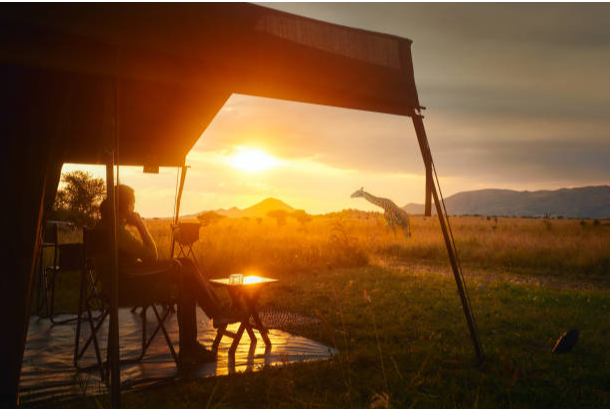
There is a particular kind of silence that settles over the Serengeti at dawn. A hot-air balloon rises above the plains, the first light turns the grass to copper, and somewhere below, a lioness watches a herd of zebra. For travelers who want to experience that moment with comfort, privacy, and expert guidance, luxury safaris in Tanzania are in a class of their own.
Luxury here does not simply mean thread counts and chilled champagne, although you will find both. It means access to remote wilderness, guides who read animal behavior like a language, and camsps designed to disappear into the landscape. This guide explains what a high-end luxury safaris in Tanzania really offers, where to go, when to travel, and how to choose wisely.
What Defines a Luxury Safari in Tanzania?
Many operators use the word “luxury,” so it helps to know what to look for.
Exclusive locations. The best camps sit in private concessions or in prime spots along the migration route, away from crowded main roads.
Small scale. Top properties often have a dozen tents or fewer, which keeps the atmosphere intimate and the wildlife undisturbed
Exceptional guiding. A great guide transforms a trip. Luxury safaris typically pair guests with highly trained, certified guides who offer deep knowledge of tracking, birds, and ecology.
Private vehicles. Exclusive-use safari vehicles with guaranteed window seats allow you to stay longer at a sighting and set the pace of the day.
Seamless logistics. Scheduled light-aircraft flights between parks replace long, bumpy drives, saving hours and adding spectacular aerial views.
Personal service. Staff remember your preferences, from your morning coffee to your favorite sundowner spot.
Where to Go: The Best Regions for High-End Safaris
The Serengeti
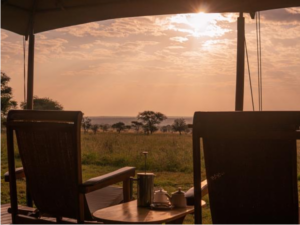
The Serengeti remains the centerpiece of luxury travel in Tanzania. Mobile camps follow the Great Migration through the year, so you can wake up close to the herds wherever they are. Permanent lodges, meanwhile, suit travelers who prefer to unpack once and settle in. The central Seronera region is rich in big cats, while the northern Serengeti around the Mara River is the place for dramatic river crossings from roughly July to October.
Ngorongoro Conservation Area
Perched on the rim of an enormous volcanic crater, several of Tanzania’s most striking lodges offer sweeping views over the caldera. A descent into the crater at first light, followed by a gourmet picnic breakfast, is one of the most memorable half-days in East Africa. The Conservation Area also reaches into quieter highland landscapes and Maasai communities.
Tarangire and the Northern Circuit
Tarangire is famous for large elephant herds and ancient baobab trees. Boutique camps here blend rustic charm with refined comfort, and the park pairs beautifully with the Serengeti and Ngorongoro on a classic northern itinerary.
Southern Tanzania: Nyerere and Ruaha
For travelers who value solitude, the south is hard to beat. Nyerere National Park offers boat safaris, walking safaris, and river-view camps. Ruaha is rugged and remote, with strong lion populations and interesting species such as sable antelope. Visitor numbers are low, which makes every sighting feel private.
Western Tanzania: Mahale Mountains
At the edge of Lake Tanganyika, Mahale offers chimpanzee trekking in a setting that few travelers ever see. A small number of exclusive camps on the lake shore make this one of Africa’s most extraordinary add-ons for primate enthusiasts.
Signature Luxury Experiences
Beyond game drives, Tanzania’s top operators offer experiences that elevate a safari from excellent to unforgettable.
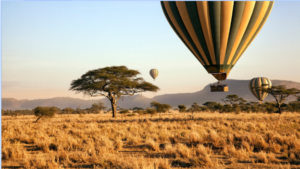
- Hot-air balloon flights over the Serengeti plains at sunrise, often finished with a champagne bush breakfast.
- Walking safaris with an armed ranger in the southern and western parks, bringing you close to tracks, plants, and smaller creatures often missed from a vehicle.
- Private sundowners in remote locations, with a table set up in the bush.
- Fly-camping, where a secluded, temporary camp is built just for your group beneath the stars.
- Photographic safaris with specialist guides and vehicles adapted for camera equipment.
- Cultural visits with Maasai or Hadzabe communities, arranged respectfully and with community benefit in mind.
- Boat safaris on Nyerere’s river system, among hippos and crocodiles.
Types of Luxury Accommodation
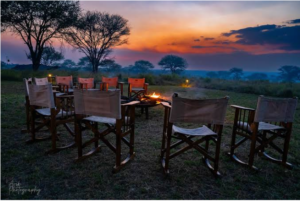
Luxury tented camps. Canvas suites with real beds, private bathrooms, and often private decks. They keep you close to the sounds and scents of the bush while delivering high-end comfort.
Mobile luxury camps. Seasonal camps that move with the migration. They feel like classic expedition travel, but with proper beds, hot bucket showers, and excellent food.
Safari lodges. Permanent buildings with expansive views, spas, pools, and fine dining. These are often found on the Ngorongoro rim and in prime Serengeti locations.
Private villas and exclusive-use camps. Ideal for families, multigenerational groups, and special occasions, offering total privacy with a dedicated team and guide.
The Best Time for a Luxury Safari in Tanzania
The ideal time depends on what matters most to you.
June to October is the peak dry season. Wildlife is easy to spot, weather is pleasant, and river crossings occur in the north from roughly July to October. Availability at top camps is tight, so book early, often a year ahead.
January to March is calving season in the southern Serengeti and Ndutu area. Newborn wildebeest attract predators, giving some of the best action of the year.
November to December brings short rains, green scenery, and fewer visitors.
April to May is the long-rains period. Some camps close, but those that stay open often offer reduced rates and beautiful, empty landscapes.
How Much Does a Luxury Tanzania Safari Cost?
Luxury safaris are an investment, and costs vary widely by camp, season, and itinerary length. The main factors are:
- Accommodation level and location. Camps near the migration in peak months command the highest nightly rates.
- Flights. Scheduled charter flights add cost but save significant travel time.
- Park and concession fees. These are a substantial part of the price and can differ between parks and seasons.
- Group size and vehicle exclusivity. Private vehicles and guides increase the price but improve the experience.
- Extras. Balloon flights, spa treatments, and special dining are usually charged separately.
Ask for a fully itemized quote and confirm exactly what is included, such as drinks, laundry, park fees, and airport transfers, so there are no surprises.
How to Choose the Right Luxury Safari Operator
- Look for specialist expertise. An established Tanzania specialist will know which camps suit your interests and timing.
- Ask about guides. Request information on guide training, experience, and language skills.
- Check sustainability practices. The best operators support conservation, employ and train local people, and reduce environmental impact.
- Read recent reviews. Look for consistent praise across several travelers, not just one outstanding testimonial.
- Understand the flexibility. Find out the cancellation terms, what happens if flights change, and how emergencies are handled.
- Confirm safety and medical arrangements. Reputable operators offer emergency evacuation cover and clear protocols.
Practical Tips Before You Go
- Book early. Top camps are small and fill quickly, especially for July to September.
- Check entry and health requirements. Confirm visa rules, recommended vaccinations, malaria precautions, and any yellow fever certificate requirements well in advance.
- Pack for light aircraft. Charter flights often limit luggage and require soft-sided bags, so check weight allowances.
- Dress in layers. Mornings can be cold, especially on game drives and balloon flights, while afternoons are warm.
- Bring quality optics. Good binoculars and a long camera lens will enrich every sighting.
- Remember local rules. Plastic bags are banned in Tanzania, and park regulations on wildlife distance must be respected.
A Sample 8-Day Luxury Itinerary
- Days 1 to 2: Arrive in Arusha and settle into a boutique lodge, then head to Tarangire for elephants and baobabs.
- Day 3: Transfer to the Ngorongoro highlands for crater views and a rest day.
- Day 4: Morning in the crater, then fly to the central Serengeti.
- Days 5 to 7: Explore the Serengeti by private vehicle, with an optional balloon flight and a bush dinner.
- Day 8: A final sunrise game drive and a flight back to Arusha.
Conclusion
Luxury safaris in Tanzania combine something rare: genuine wilderness and genuine comfort. The finest trips are not about excess. They are about access, privacy, and expertise, whether you are watching the Great Migration from a private deck, tracking lions on foot in the south, or sipping a drink as the sun drops behind an acacia. Success comes from choosing the right season, the right camps, and an operator who understands what you want from the journey. Start planning early, stay flexible, and let the landscape do the rest.
Key Takeaways
- Luxury in Tanzania means exclusivity, small-scale camps, expert guides, and seamless logistics, not just comfort.
- The Serengeti and Ngorongoro are the highlights, while Nyerere, Ruaha, and Mahale offer solitude and variety.
- June to October suits river crossings and dry-season viewing, while January to March is ideal for calving.
- Signature extras include balloon flights, walking safaris, fly-camping, and private bush dinners.
- Book early, often six to twelve months ahead, to secure the best camps in peak months.
- Ask for itemized quotes and verify what is included before you commit.
- Choose operators with strong guiding, sustainability practices, and clear safety arrangements.
Frequently Asked Questions
- What makes a Tanzania safari “luxury”? Luxury safaris feature exclusive camps or lodges, private vehicles, highly trained guides, fine dining, and personalized service. Fly-in transfers and unique experiences such as balloon flights are also common.
- When is the best time for a luxury safari in Tanzania? June to October offers dry-season wildlife viewing and northern river crossings. January to March is superb for calving in the south. The green seasons suit travelers who want fewer crowds and lower rates.
- How far ahead should I book? For peak months, booking six to twelve months ahead is wise, since the best camps are small and sell out early.
- Is a luxury safari in Tanzania suitable for families? Yes, many camps welcome children and offer private villas, family guides, and tailored activities. Some properties set minimum ages, so confirm policies in advance.
- Can I combine a luxury safari with Zanzibar? Absolutely. A beach stay in Zanzibar is a popular way to end a safari, and flights from the mainland are straightforward to arrange.
- Are luxury safaris in Tanzania safe? Tanzania is a well-established safari destination. Reputable operators employ experienced guides, follow strict safety practices, and arrange emergency evacuation cover. Always follow your guide’s instructions.
- What is the difference between a mobile camp and a permanent lodge? Mobile camps move seasonally to follow the migration, offering a classic expedition feel. Permanent lodges stay in one location and often provide larger public spaces, spas, and pools.
- What should I know about luggage on safari flights? Light aircraft usually have strict weight limits and require soft-sided bags. Your operator can advise on the exact allowance for your itinerary.
- Do I need vaccinations or malaria medication? Malaria is present in much of Tanzania, and a yellow fever certificate may be required depending on your route. Consult a travel health professional several weeks before departure.
- How can I make my safari more sustainable? Choose operators that support conservation, hire and train local staff, limit plastic use, and contribute to community projects.