

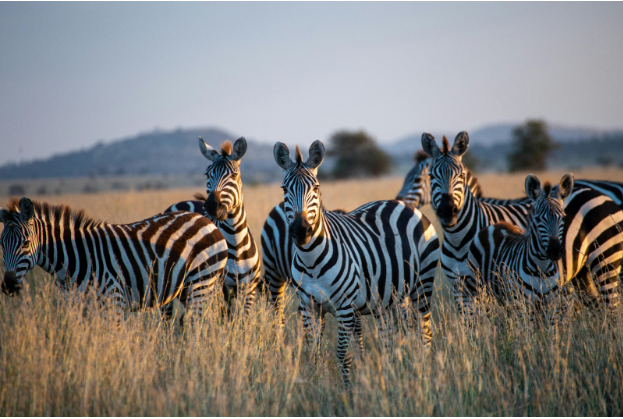
Tanzania safaris represent the pinnacle of African wildlife adventures, offering travelers access to some of the planet’s most remarkable natural environments. With diverse ecosystems ranging from volcanic craters to sprawling savannahs, Tanzania delivers safari experiences that cater to every type of adventurer, whether seeking luxury indulgence or authentic wilderness immersion.
Understanding Tanzania Safaris
Tanzania safaris differ significantly from typical wildlife viewing experiences found elsewhere. The country’s commitment to conservation has created protected areas where animals live in their natural rhythms, undisturbed by human interference. This approach results in authentic encounters where wildlife behaves naturally, providing insights into complex social structures, hunting strategies, and survival instincts.
The term “safari” originates from the Swahili word meaning “journey,” and Tanzania truly embodies this concept. Each day brings new discoveries, from sunrise game drives revealing predators on the hunt to sunset vistas painting the African sky in brilliant hues. These journeys connect travelers with landscapes largely unchanged for millennia.
Types of Tanzania Safaris
Classic Game Drive Safaris
Traditional vehicle-based safaris remain the most popular way to explore Tanzania’s national parks. Specially designed 4×4 vehicles with pop-up roofs allow unobstructed viewing and photography while maintaining safety. Experienced guides navigate terrain expertly, using their knowledge to locate wildlife and interpret animal behavior.
Morning and late afternoon game drives capitalize on peak animal activity periods when temperatures moderate and predators become active. Full-day excursions with picnic lunches enable deeper penetration into remote park areas where fewer vehicles venture, increasing chances for exclusive wildlife encounters.
Walking Safaris
Walking safaris provide intimate connections with African wilderness impossible to achieve from vehicles. Accompanied by armed rangers and expert guides, these excursions focus on smaller details often overlooked during game drives—tracking techniques, medicinal plants, insect behavior, and the intricate web connecting all ecosystem elements.
The sensory experience of walking safaris proves unforgettable. Hearing your footsteps on African soil, detecting distant animal calls, and reading fresh tracks creates visceral connections with the environment. This safari style suits adventurous travelers seeking deeper wilderness engagement.
Fly-In Safaris
For time-conscious travelers or those prioritizing comfort, fly-in safaris eliminate long overland transfers between destinations. Light aircraft transport guests directly to remote airstrips near lodges and camps, maximizing wildlife viewing time while minimizing travel fatigue.
Flying also provides spectacular aerial perspectives of Tanzania’s landscapes—the Serengeti’s endless plains, Ngorongoro’s massive crater, and the intricate waterways threading through wetlands. This safari style accommodates those with limited mobility or travelers preferring premium experiences.
Photographic Safaris
Specialized photographic safaris cater to serious wildlife photographers. These expeditions feature smaller group sizes, extended time at sightings, and guides trained in understanding photographic needs. Vehicles may include specialized equipment like beanbags, custom mounts, and strategic positioning for optimal lighting.
Photography-focused itineraries target specific species or behaviors, timing visits to coincide with dramatic wildlife events. Professional photographers often lead these safaris, offering workshops and technical guidance alongside wildlife encounters.
Planning Your Tanzania Safari
Choosing Your Safari Circuit
Tanzania’s northern circuit encompasses the Serengeti, Ngorongoro Crater, Tarangire, and Lake Manyara—the country’s most famous destinations. This region offers reliable year-round wildlife viewing, excellent infrastructure, and convenient logistics. First-time safari-goers typically begin here, where wildlife density virtually guarantees memorable encounters.
The southern circuit, including Ruaha National Park and Nyerere National Park (formerly Selous), attracts adventurous travelers seeking solitude and raw wilderness. These parks receive fewer visitors despite harboring exceptional wildlife populations, particularly elephants, wild dogs, and diverse predators.
Western Tanzania’s remote parks like Katavi and Mahale Mountains offer extreme wilderness experiences. Katavi delivers concentrated dry season wildlife viewing rivaling anywhere in Africa, while Mahale provides rare opportunities to track wild chimpanzees along Lake Tanganyika’s shores.
Selecting Safari Operators
Choosing reputable safari operators critically impacts experience quality. Established companies employ knowledgeable guides, maintain well-equipped vehicles, and prioritize safety alongside wildlife welfare. Researching operator credentials, reading recent reviews, and verifying their conservation commitments ensures your safari meets expectations.
Operator selection should consider group size preferences, accommodation standards, flexibility, and specialized interests. Some companies focus on budget camping, others on luxury experiences, while certain operators specialize in photographic safaris, family trips, or honeymoon packages.
Safari Duration and Itinerary
Tanzania safaris range from quick three-day trips to extensive three-week expeditions. Five to seven days represents the sweet spot for northern circuit safaris, allowing visits to multiple parks without excessive rushing. This duration provides adequate wildlife encounters while accommodating varied landscapes.
Longer safaris enable exploration of multiple circuits or incorporation of complementary experiences like beach relaxation on Zanzibar, Mount Kilimanjaro climbing, or cultural immersion programs. Consider your interests, budget, and available time when determining optimal safari length.

Wildlife You’ll Encounter
Tanzania safaris deliver exceptional opportunities to observe the Big Five—lions, leopards, elephants, buffalo, and rhinoceros. Beyond these iconic species, the country supports cheetahs, giraffes, zebras, hippos, crocodiles, and countless antelope species from tiny dik-diks to massive elands.
Birdwatchers find paradise in Tanzania’s 1,100+ recorded bird species. From vibrant lilac-breasted rollers and superb starlings to massive ground hornbills and elegant flamingo flocks, avian diversity astounds. Each ecosystem supports specialized bird communities, making every destination unique.
Safari Seasons and Weather
Understanding Tanzania’s seasons optimizes safari planning. The long dry season from June through October offers prime game viewing as animals concentrate around permanent water sources. Vegetation recedes, improving visibility, while comfortable temperatures make extended game drives pleasant.
The short rains from November through December bring landscape transformation. Fresh grass growth triggers herbivore dispersal, predators follow prey movements, and migratory birds arrive. This period sees fewer tourists and lower prices while maintaining good wildlife viewing.
January and February showcase the wildebeest calving season in southern Serengeti, when hundreds of thousands of calves are born within weeks. This abundance attracts predators, creating dramatic hunting sequences. March through May brings heavier long rains, challenging some access but rewarding visitors with lush scenery and exceptional birdlife.
Safari Accommodation Standards
Tanzania safaris accommodate every comfort preference and budget level. Ultra-luxury lodges feature private plunge pools, gourmet dining, spa services, and personalized service while maintaining environmental sensitivity through solar power, water conservation, and community partnerships.
Classic tented camps blend comfort with authentic safari atmosphere. Spacious canvas tents include en-suite bathrooms, comfortable beds, and often private verandas overlooking wilderness. These camps capture safari romance while providing modern amenities.
Budget camping safaris appeal to cost-conscious adventurers willing to sacrifice some comfort for affordability. Basic campsites provide essential facilities, with meals prepared over campfires and nights spent beneath star-filled African skies.
Health and Safety Considerations
Tanzania safaris operate with strong safety records when proper precautions are followed. Malaria prophylaxis is essential for safari regions, along with comprehensive travel insurance covering medical evacuation. Staying current with routine vaccinations and consulting travel health specialists ensures preparedness.
Wildlife safety requires following guide instructions consistently. Animals appearing docile can react unpredictably to perceived threats. Maintaining vehicle discipline, keeping appropriate distances, and respecting wildlife space protects both visitors and animals.
Conclusion
Tanzania safaris offer transformative journeys into nature’s heart, where witnessing wildlife in pristine habitats creates profound connections with the natural world. Whether tracking lions across Serengeti plains, watching elephants silhouetted against Kilimanjaro, or listening to hippos grunting through the night, these experiences reshape perspectives and create lifelong memories. The diversity of safari styles, destinations, and accommodation options ensures Tanzania meets every traveler’s vision of the perfect African adventure. By choosing responsible operators and approaching wilderness with respect and wonder, your Tanzania safari becomes not just a vacation but a meaningful contribution to conservation while experiencing Earth’s greatest wildlife spectacle.
Key Takeaways
- Tanzania offers diverse safari styles including game drives, walking safaris, fly-in expeditions, and photographic tours
- Northern circuit parks provide reliable wildlife viewing year-round with excellent infrastructure
- Southern and western circuits deliver remote wilderness experiences with fewer tourists
- Five to seven days represents optimal duration for comprehensive northern circuit safaris
- Dry season (June-October) offers prime wildlife viewing conditions
- Calving season (January-February) provides dramatic predator-prey interactions
- Accommodation ranges from luxury lodges to budget camping options
- Reputable safari operators ensure quality experiences and support conservation efforts
- Tanzania supports over 1,100 bird species alongside iconic Big Five mammals
- Responsible tourism directly contributes to wildlife protection and community development