

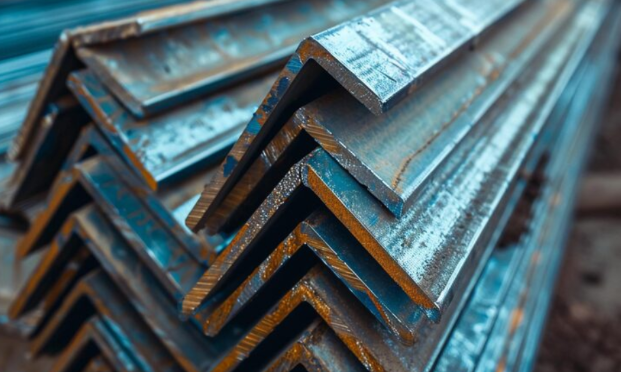
Metal fabrication projects require accuracy, strength, and reliable materials to achieve high-quality results. Whether you are working on a small workshop project or a large industrial structure, the right components can make a big difference in both efficiency and durability. One such essential component used in many fabrication tasks is metal angles. These simple yet highly functional pieces of metal help provide support, alignment, and stability in a wide range of applications. Understanding how metal angles work and how they can benefit your projects can help you complete your work faster and with better results.
Understanding the Role of Metal Angles in Fabrication
Metal angles are L-shaped pieces of metal that are commonly used to join, support, and reinforce structures. They are typically made from materials such as steel, aluminum, or stainless steel, depending on the project requirements. Because of their shape, metal angles offer excellent strength and balance, making them ideal for creating strong corners and edges.
In fabrication, creating precise joints and maintaining alignment can be challenging. Metal angles simplify this process by acting as a guide and support for connecting two surfaces at a right angle. This helps fabricators maintain accuracy without spending extra time measuring and adjusting components repeatedly.
Improving Structural Strength and Stability
One of the main reasons metal angles are widely used in fabrication is their ability to improve structural strength. When placed at corners or joints, they distribute weight and stress evenly across the structure. This prevents weak points that could lead to bending, cracking, or failure over time.
Metal angles are especially useful in frames, brackets, shelving units, machinery supports, and construction frameworks. Their design naturally reinforces connections, making the overall structure more durable and long-lasting. This added stability reduces the need for frequent repairs or reinforcements later.
Making Assembly and Installation Easier
Working with multiple metal parts can be time-consuming, especially when precise alignment is required. Metal angles make assembly much easier by acting as a reference point during installation. Fabricators can quickly position parts correctly and secure them with bolts, screws, or welding.
Because metal angles hold pieces firmly in place, they reduce the chances of shifting during assembly. This saves time and effort while ensuring that the finished structure is accurate and professional. Even beginners in metal fabrication find it easier to work with metal angles because they simplify complex joining tasks.
Versatility for Different Fabrication Projects
Metal angles are extremely versatile and can be used in a variety of fabrication projects. They are commonly found in furniture frames, gates, trailers, support brackets, storage racks, and industrial equipment. Their availability in different sizes, thicknesses, and materials makes them suitable for both light-duty and heavy-duty applications.
Whether you need support for a small DIY project or a large commercial structure, metal angles can be easily adapted to meet your needs. They can be cut, drilled, welded, or bolted without losing their strength, which adds to their usefulness across different projects.
Cost-Effective and Time-Saving Solution
Another advantage of using metal angles is their cost-effectiveness. Because they are simple in design and widely available, they are affordable compared to custom-fabricated support parts. Using metal angles reduces the need for complex fabrication processes, which saves both labor time and material costs.
Their ease of use also speeds up the workflow. Fabricators can complete projects more quickly without compromising quality. This is especially important in professional environments where time and efficiency directly affect productivity and profitability.
Conclusion
Metal angles may appear to be simple components, but they play a crucial role in making metal fabrication projects easier and more efficient. From improving structural strength to simplifying assembly and offering versatile applications, metal angles provide reliable support in many types of projects. Their affordability, durability, and ease of use make them a valuable addition to any fabrication task. By incorporating metal angles into your work, you can achieve stronger, more accurate, and professional results with less effort and time.