

Introduction
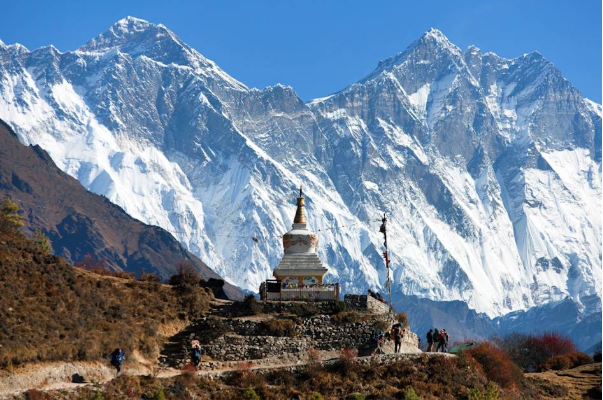
The Everest Panorama Trek is one of Nepal’s most rewarding short trekking adventures, offering breathtaking views of the world’s highest mountain without the demands of reaching Everest Base Camp. Perfect for beginners, families, and travelers with limited time, this trek combines stunning Himalayan scenery, vibrant Sherpa culture, and comfortable trekking routes into an unforgettable experience.
Located in the heart of the Khumbu region, the Everest Panorama Trek takes you through picturesque mountain villages, ancient monasteries, rhododendron forests, and panoramic viewpoints. It provides an excellent opportunity to experience the beauty of the Everest region while enjoying a moderate trekking challenge.
What Is the Everest Panorama Trek?
The Everest Panorama Trek is a shorter trekking route in Nepal’s Everest region that typically lasts 7 to 10 days. The journey begins with a scenic flight to Lukla before following well-established trails through Sherpa villages such as Phakding, Namche Bazaar, Khumjung, and Tengboche.
Unlike the Everest Base Camp Trek, this route focuses on spectacular mountain views and cultural experiences rather than high-altitude endurance, making it an ideal choice for trekkers seeking a balanced Himalayan adventure.
Key Highlights of the Everest Panorama Trek
- Spectacular views of Mount Everest, Lhotse, Ama Dablam, Thamserku, and other Himalayan peaks.
- Explore the vibrant Sherpa town of Namche Bazaar.
- Visit the famous Tengboche Monastery, the largest monastery in the Khumbu region.
- Experience authentic Sherpa culture, traditions, and hospitality.
- Walk through Sagarmatha National Park, a UNESCO World Heritage Site.
- Trek through beautiful rhododendron and pine forests.
- Suitable for beginners and trekkers with limited time.
- Lower risk of altitude sickness compared to higher-altitude treks.
Best Time for the Everest Panorama Trek
Choosing the right season enhances both the trekking experience and mountain visibility.
Spring (March to May)
Spring is one of the best seasons for the Everest Panorama Trek. The trails come alive with blooming rhododendrons, mild temperatures, and excellent visibility of the Himalayan peaks.
Autumn (September to November)
Autumn offers clear skies, stable weather, and crisp mountain views, making it the most popular trekking season in the Everest region.
Winter (December to February)
Winter provides peaceful trails and stunning snow-covered landscapes. While temperatures are colder, the trek remains accessible with proper preparation.
Monsoon (June to August)
Heavy rainfall and cloud cover can reduce visibility and make trails slippery. This season is generally less recommended for trekking.
Trek Difficulty
The Everest Panorama Trek is considered easy to moderate, making it suitable for a wide range of trekkers.
Participants should be prepared for:
- Walking 4 to 6 hours each day.
- Gradual ascents and descents.
- Maximum elevation of around 3,860 meters at Tengboche or nearby viewpoints.
- Moderate physical fitness requirements.
Although the altitude is lower than Everest Base Camp, proper acclimatization is still important.
Major Attractions Along the Route
Lukla
The adventure begins with a scenic mountain flight to Lukla, the gateway to the Everest region.
Namche Bazaar
Namche Bazaar is the commercial and cultural center of the Khumbu region. Visitors can enjoy local markets, cafés, museums, and spectacular viewpoints overlooking Mount Everest.
Everest View Hotel
One of the trek’s highlights is visiting the famous Everest View Hotel, renowned for offering one of the world’s finest panoramic mountain vistas.
Tengboche Monastery
Perched on a ridge surrounded by towering Himalayan peaks, Tengboche Monastery is the spiritual heart of the Everest region. Visitors can observe Buddhist ceremonies while enjoying breathtaking scenery.
Cultural Experience
The Everest Panorama Trek offers rich cultural encounters with the Sherpa people, who are internationally recognized for their mountaineering heritage and warm hospitality.
Trekkers can experience:
- Traditional Sherpa villages.
- Buddhist monasteries and prayer flags.
- Mani walls and chortens.
- Local festivals and customs.
- Authentic Himalayan cuisine.
These cultural experiences add depth and meaning to the trekking adventure.
Wildlife and Natural Beauty
The trail passes through Sagarmatha National Park, home to diverse Himalayan wildlife and alpine vegetation.
Trekkers may encounter:
- Himalayan tahr.
- Musk deer.
- Himalayan monal.
- Blood pheasants.
- Various bird species.
The combination of forests, rivers, glaciers, and towering mountains creates an ever-changing landscape throughout the journey.
Accommodation and Food
Comfortable teahouses along the route provide clean lodging and home-cooked meals.
Popular menu options include:
- Dal Bhat.
- Fried rice.
- Noodles.
- Soups.
- Pasta.
- Pancakes.
- Eggs.
- Tea, coffee, and hot chocolate.
Accommodation standards are generally higher than in many remote trekking regions of Nepal.
Essential Packing List
A successful trek begins with proper preparation. Essential items include:
- Comfortable trekking boots.
- Warm layered clothing.
- Waterproof jacket.
- Down jacket.
- Gloves and woolen hat.
- Trekking poles.
- Sunglasses.
- Sunscreen.
- Reusable water bottle.
- Personal first-aid kit.
- Headlamp.
- Daypack.
Packing appropriately ensures comfort across changing weather conditions.
Tips for a Successful Everest Panorama Trek
- Build your fitness before the trek with regular walking or hiking.
- Walk at a comfortable pace and avoid rushing.
- Stay well hydrated throughout the journey.
- Follow your guide’s recommendations.
- Dress in layers to adapt to changing temperatures.
- Respect local customs and religious sites.
- Carry sufficient cash, as ATM facilities are limited along the trail.
- Purchase travel insurance that covers trekking in high-altitude regions.
Why Choose the Everest Panorama Trek?
The Everest Panorama Trek is ideal for travelers who want to experience the magic of the Everest region without undertaking the longer and more physically demanding Everest Base Camp Trek. It offers an excellent balance of mountain scenery, cultural exploration, and comfortable trekking conditions.
Whether you are a first-time visitor to Nepal or an experienced traveler looking for a shorter Himalayan adventure, this trek provides unforgettable memories, remarkable landscapes, and meaningful cultural experiences.
Conclusion
The Everest Panorama Trek is one of Nepal’s finest short trekking adventures, combining awe-inspiring Himalayan views with rich Sherpa culture and accessible trekking routes. From the bustling streets of Namche Bazaar to the peaceful surroundings of Tengboche Monastery and the unforgettable sight of Mount Everest, every step of the journey offers a unique and rewarding experience.
For those seeking a scenic, culturally enriching, and moderately challenging trek in the Himalayas, the Everest Panorama Trek is an outstanding choice. With proper planning, suitable gear, and an adventurous spirit, this remarkable journey promises memories that will last a lifetime.
If your goal is to rank on Google, I can also create a 2,000–2,500 word SEO-optimized version with FAQs, internal linking suggestions, semantic keywords (LSI), and a meta title and description optimized for search engines.