

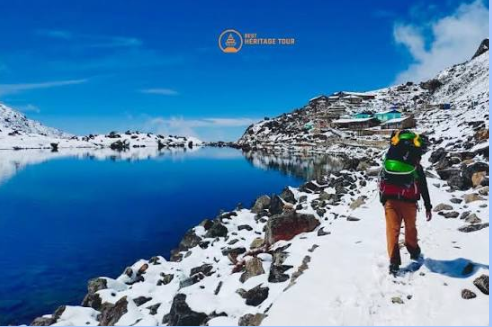
Nepal’s Langtang region is known for its dramatic Himalayan scenery, traditional villages, lush forests, Buddhist heritage, and high-altitude landscapes. Among the region’s most rewarding journeys are Langtang Gosaikund circuit treks, which combine the Langtang Valley with the sacred alpine lake of Gosaikund.
For travelers who have less time but still want to experience a high-altitude Himalayan lake, Gosaikund lake treks provide a focused journey toward Gosaikund and the surrounding mountain landscapes.
These routes offer a combination of natural beauty and cultural experiences, but they differ in duration, difficulty, and itinerary. Understanding the characteristics of each trek can help travelers choose a route that matches their available time and trekking experience.
What Are Langtang Gosaikund Circuit Treks?
Langtang Gosaikund circuit treks connect the Langtang Valley with the Gosaikund lake region, creating a diverse trekking experience through forests, mountain villages, alpine landscapes, and sacred sites.
The journey commonly begins near Syabrubesi before following the Langtang Valley toward Kyanjin Gompa. After exploring the upper valley, the route continues toward the Gosaikund region through higher mountain terrain.
Depending on the itinerary, the trek may continue toward Helambu before returning to Kathmandu.
Highlights of the Langtang Gosaikund Circuit
This combined route offers several attractions:
- Langtang Valley
- Kyanjin Gompa
- Kyanjin Ri or Tserko Ri
- Gosaikund Lake
- Himalayan mountain views
- Rhododendron and pine forests
- Traditional Tamang villages
- Buddhist monasteries
- High-altitude landscapes
- Local cultural experiences
One of the main advantages of the circuit is the variety of scenery encountered during the journey.
Typical Langtang Gosaikund Circuit Itinerary
The exact itinerary can vary according to trekking pace, acclimatization requirements, road conditions, and the route selected.
Day 1: Kathmandu to Syabrubesi
The journey generally begins with a drive from Kathmandu to Syabrubesi.
The route passes through rural settlements, hills, and mountain landscapes before reaching the trekking area.
Day 2: Syabrubesi to Lama Hotel
The trek follows the Langtang Khola through forested terrain.
The trail gradually climbs through sections of oak and rhododendron forest before reaching Lama Hotel.
Day 3: Lama Hotel to Langtang Village
The trail continues upward, and the landscape gradually becomes more open.
Mountain views become increasingly prominent as trekkers approach Langtang Village.
Day 4: Langtang Village to Kyanjin Gompa
The trail continues toward Kyanjin Gompa, one of the main destinations in the Langtang Valley.
The surrounding landscape becomes increasingly alpine, with impressive views of the Himalayan peaks.
Day 5: Kyanjin Gompa Exploration
A rest and exploration day can be used to acclimatize and explore the surrounding mountains.
Depending on conditions and fitness, trekkers may hike toward Kyanjin Ri or Tserko Ri for panoramic views.
Day 6–8: Return and Continue Toward Gosaikund
After descending from the upper Langtang Valley, the route continues through settlements and forested trails toward the Gosaikund region.
The exact number of days depends on the selected itinerary.
Gosaikund Lake
The trek eventually reaches Gosaikund, located at approximately 4,380 meters.
The lake is surrounded by rugged mountains and has significant religious importance in Nepal.
Return Journey
Depending on the chosen circuit, trekkers may continue toward Lauribina and the Helambu region before descending to a road-accessible location and returning to Kathmandu.
Gosaikund Lake Treks
Gosaikund lake treks focus primarily on reaching the famous high-altitude lake and exploring the surrounding Himalayan landscape.
Gosaikund is one of Nepal’s most important alpine lakes and has strong religious significance, particularly among Hindu and Buddhist communities.
The lake is traditionally associated with Lord Shiva in Hindu religious traditions and attracts pilgrims during the annual Janai Purnima festival.
Why Visit Gosaikund Lake?
Gosaikund provides a combination of natural beauty and cultural significance.
The surrounding landscape features:
- Alpine terrain
- Mountain peaks
- Rocky trails
- High-altitude vegetation
- Other nearby lakes
- Traditional mountain settlements
- Sacred religious sites
The area can look dramatically different depending on the season and weather.
Difficulty of Gosaikund Lake Treks
The difficulty of Gosaikund lake treks depends on the starting point and itinerary.
Routes that begin from lower elevations involve gradual climbing, while shorter itineraries can involve steeper elevation gains.
Since Gosaikund is around 4,380 meters above sea level, altitude should be taken seriously.
Trekkers should maintain a steady pace and allow adequate time for acclimatization.
Altitude Considerations
Altitude is an important consideration on both routes.
During the Langtang Gosaikund circuit treks, trekkers move from relatively low valleys to elevations above 4,000 meters.
Possible symptoms of altitude-related illness include:
- Headache
- Dizziness
- Nausea
- Unusual fatigue
- Loss of appetite
- Difficulty breathing
Anyone experiencing concerning symptoms should immediately inform their guide. If symptoms become severe, descending to a lower elevation may be necessary.
Best Time to Trek
Spring and autumn are traditionally considered the most popular seasons for trekking in the Langtang and Gosaikund regions.
Spring
March to May offers warmer conditions at lower elevations, with rhododendron forests often adding vibrant seasonal scenery.
Autumn
September to November is popular for generally favorable trekking conditions and clear mountain views.
Winter
Winter can bring snow and freezing temperatures around Gosaikund and other high-altitude sections.
Monsoon
June to August can bring heavy rainfall, muddy trails, landslides, and cloud cover, particularly at lower elevations.
Mountain weather can change quickly, so travelers should check current conditions before beginning the trek.
Accommodation and Meals
Tea houses and trekking lodges are available along established sections of the route.
Facilities are generally basic, especially at higher elevations.
Common meals include:
- Dal bhat
- Noodles
- Rice
- Soups
- Vegetables
- Eggs
- Potatoes
- Bread
- Tibetan-style dishes
Travelers should carry some snacks and maintain adequate hydration during long trekking days.
What to Pack
A suitable packing list can include:
- Comfortable trekking boots
- Waterproof jacket
- Warm layers
- Thermal clothing
- Gloves
- Warm hat
- Trekking trousers
- Sunglasses
- Sunscreen
- Reusable water bottle
- Trekking poles
- Headlamp
- Personal medication
- Basic first-aid supplies
- Sleeping bag if required
For high-altitude sections around Gosaikund, warm and weather-resistant clothing is particularly important.
Permits and Regulations
The Langtang region is subject to trekking and conservation regulations. Permit requirements can vary according to the specific itinerary and current government policies.
Travelers should confirm the latest permit requirements and guide regulations before departure.
A registered local trekking agency can assist with permits, transportation, accommodation, and route planning.
Responsible Trekking
The Langtang and Gosaikund regions contain fragile mountain ecosystems and culturally significant sites.
Trekkers can help protect the area by:
- Avoiding littering
- Reducing single-use plastic
- Using reusable water bottles
- Staying on established trails
- Respecting monasteries and religious sites
- Following local customs
- Asking permission before photographing people
- Supporting local tea houses and businesses
Responsible tourism helps preserve the region’s natural and cultural heritage.
Key Points to Remember
- Langtang Gosaikund circuit treks combine Langtang Valley scenery with the sacred Gosaikund lake region.
- The route can include Kyanjin Gompa and viewpoints such as Kyanjin Ri or Tserko Ri.
- Gosaikund lake treks focus primarily on reaching the high-altitude Gosaikund Lake.
- Gosaikund is located at approximately 4,380 meters.
- The lake has important religious significance for Hindu and Buddhist communities.
- Altitude acclimatization is important on both routes.
- Spring and autumn are traditionally popular trekking seasons.
- Winter can bring snow and very cold temperatures at higher elevations.
- Monsoon conditions can create rain, muddy trails, and reduced visibility.
- Tea houses provide basic accommodation and meals along established routes.
- Proper footwear, warm layers, sun protection, and hydration are essential.
- Current permit and guide requirements should be confirmed before departure.
- Responsible trekking helps protect the environment and local communities.
Conclusion
Langtang Gosaikund circuit treks provide a diverse Himalayan adventure that combines the forests and villages of the Langtang Valley with the dramatic high-altitude scenery around Gosaikund Lake. The journey offers opportunities to experience mountain culture, Buddhist heritage, spectacular viewpoints, and changing landscapes.
For travelers with less time, Gosaikund lake treks offer a more focused experience centered around one of Nepal’s most important alpine lakes. The combination of natural scenery and religious significance makes Gosaikund a memorable destination for both trekkers and pilgrims.
Regardless of the route chosen, careful preparation, appropriate acclimatization, suitable equipment, and respect for local communities and the environment are essential. With thoughtful planning, the Langtang and Gosaikund region can provide a rewarding and unforgettable Himalayan trekking experience.