

Introduction
The world’s highest mountain ranges offer some of the most extraordinary adventure experiences, attracting travelers, trekkers, and mountaineers from across the globe. From breathtaking Himalayan valleys to challenging high-altitude peaks, these destinations provide opportunities to explore nature, test personal limits, and experience unique mountain cultures. Among the most popular adventures are the Everest Base Camp Trek in Nepal and the K2 Expedition in Pakistan.
Although both journeys take place in spectacular mountain environments, they offer different levels of difficulty, preparation requirements, and experiences. Understanding their unique characteristics can help adventure enthusiasts choose the journey that best matches their interests, experience, and fitness level.
Exploring the Everest Base Camp Trek
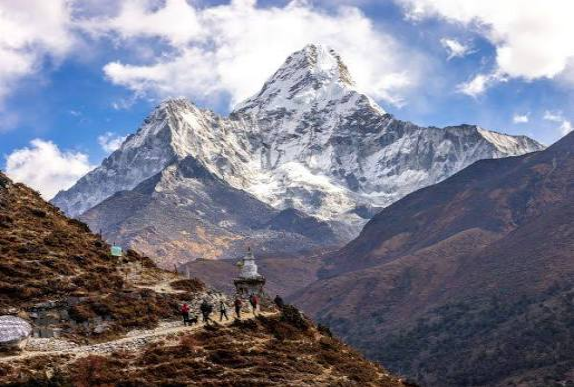
The Everest Base Camp Trek is one of the most celebrated trekking adventures in the world. Located in Nepal’s Khumbu region, this journey takes trekkers through beautiful mountain landscapes, traditional Sherpa villages, ancient Buddhist monasteries, and scenic valleys surrounded by towering Himalayan peaks.
The trek usually begins with a flight to Lukla, followed by a gradual journey through destinations such as Phakding, Namche Bazaar, Tengboche, Dingboche, and Gorak Shep before reaching Everest Base Camp. Many itineraries also include a hike to Kala Patthar, a renowned viewpoint offering spectacular views of Mount Everest and the surrounding mountains.
Unlike a technical climbing expedition, the Everest Base Camp Trek generally requires no specialized mountaineering skills. However, trekkers need good physical fitness, appropriate equipment, and sufficient time to acclimatize to increasing elevations. Altitude sickness is a significant consideration, making gradual ascent and rest days essential.
This adventure is particularly suitable for people who want to experience the beauty of the Himalayas, learn about local traditions, and enjoy a rewarding high-altitude journey without attempting to climb a major summit.
Understanding the Challenge of a K2 Expedition
The K2 Expedition offers a considerably more demanding mountaineering experience. Located in Pakistan’s Karakoram Range, K2 rises to 8,611 meters, making it the world’s second-highest mountain after Everest. Despite its lower elevation, K2 is widely recognized for its technical difficulty, unpredictable weather, steep terrain, and serious climbing risks.
The expedition typically approaches the mountain through the spectacular Baltoro Glacier, passing landmarks such as Concordia and the surrounding Karakoram giants. The journey to K2 Base Camp is itself an extraordinary trekking experience, featuring dramatic glaciers, rugged landscapes, and views of some of the world’s most impressive peaks.
Reaching the summit, however, requires advanced mountaineering experience, strong technical climbing skills, excellent physical conditioning, and extensive preparation. Climbers must be prepared for extreme cold, avalanches, rockfall, crevasses, and rapidly changing weather conditions.
A successful K2 Expedition depends on careful planning, experienced mountain guides, reliable equipment, appropriate acclimatization, and sound decision-making. Even highly experienced climbers face substantial risks, and summit success can never be guaranteed.
Key Differences Between the Two Adventures
While both destinations offer exceptional mountain scenery, their objectives and demands are different.
- Difficulty Level: The Everest Base Camp Trek is a demanding high-altitude trek, while a K2 summit expedition is a technical mountaineering undertaking requiring specialized experience.
- Physical Preparation: Both journeys require endurance and fitness. However, K2 climbers need substantially more advanced training and technical preparation.
- Duration: The Everest Base Camp Trek commonly takes around 12–14 days, depending on the itinerary. A full K2 climbing expedition may require several weeks or longer because of the approach trek, acclimatization, climbing rotations, and weather delays.
- Scenery and Culture: Nepal’s Everest region is known for Sherpa culture, monasteries, and established trekking trails. Pakistan’s Karakoram region features enormous glaciers, remote valleys, and dramatic granite and ice-covered peaks.
- Overall Risk: Both adventures involve altitude-related hazards. However, attempting to summit K2 carries substantially greater technical and objective risks than trekking to Everest Base Camp.
How to Prepare for Your Mountain Adventure
Proper preparation is essential for enjoying either experience safely. Begin with a suitable fitness program that develops cardiovascular endurance, leg strength, and the ability to walk for extended periods.
Choose appropriate clothing, footwear, and equipment for cold mountain conditions. Research reputable trekking or expedition operators, understand the itinerary, and verify the availability of suitable insurance and emergency arrangements.
For the Everest Base Camp Trek, prioritize gradual acclimatization and recognize symptoms of altitude sickness. For a K2 summit attempt, previous high-altitude mountaineering experience and technical climbing competence are essential. Neither adventure should be approached without an honest assessment of personal ability.
Conclusion
The Everest Base Camp Trek and K2 Expedition represent two remarkable ways to experience the world’s greatest mountain landscapes. The Everest trek offers an accessible route into high-altitude adventure, combining spectacular views with cultural discovery and personal achievement. A K2 summit expedition, by contrast, is an undertaking for experienced mountaineers prepared to face exceptional technical challenges and serious risks.
Ultimately, the right choice depends on your experience, fitness, goals, and appetite for adventure. With careful preparation, responsible planning, and respect for the mountains, both journeys can provide unforgettable experiences and a deeper appreciation of the natural world.