

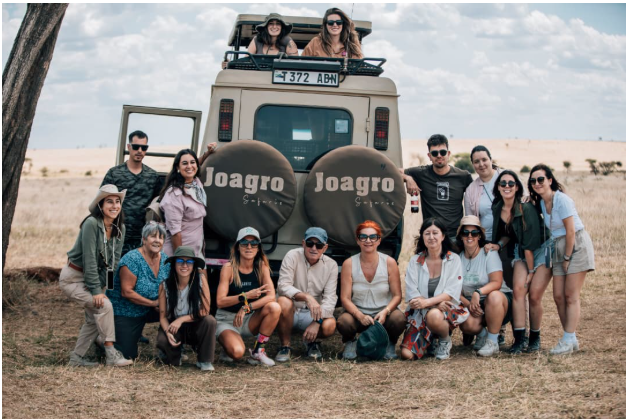
The allure of Africa’s wilderness reaches its pinnacle when experienced through a private Tanzania safari. Unlike group tours where compromises and shared schedules dilute the experience, private safaris offer complete freedom to craft your perfect African adventure. From the moment you arrive until your reluctant departure, every aspect of your journey revolves around your preferences, pace, and priorities. This personalized approach transforms wildlife viewing from a scheduled activity into an immersive journey that unfolds according to your rhythm and responds to your spontaneous desires.
What Defines a Private Tanzania Safari
A private Tanzania safari guarantees exclusive use of vehicles, guides, and itineraries designed specifically for your party, whether traveling solo, as a couple, with family, or among friends. This exclusivity eliminates the constraints inherent in group travel—you’ll never wait for strangers to finish photographing a lion, rush past a fascinating bird sighting because others are impatient, or compromise on accommodation preferences to suit diverse budgets within a larger group.
The fundamental distinction lies in control. Your private guide works exclusively for you, adjusting game drive durations, wake-up times, meal schedules, and routes based on your interests. If you discover a leopard in a tree at sunset and wish to observe its behavior for two hours, you can. If bird photography captivates you more than big cats, your guide tailors drives accordingly. This responsiveness creates safari experiences that feel organic rather than manufactured, intimate rather than industrial.
The Compelling Advantages of Going Private
Private Tanzania safaris deliver benefits extending far beyond simple exclusivity. The flexibility to modify itineraries mid-journey proves invaluable when weather, wildlife movements, or personal energy levels shift unexpectedly. Perhaps the Great Migration arrived in the northern Serengeti earlier than predicted—your private safari can adjust immediately, adding days where wildlife concentrations are highest rather than adhering to predetermined schedules.
Photography enthusiasts find private safaris indispensable. Positioning vehicles for optimal lighting, remaining stationary during golden hour, and returning to promising locations require patience and flexibility that group schedules cannot accommodate. Private guides understand photographic needs, maintaining respectful distances that fill frames without disturbing subjects, and communicating quietly to avoid disrupting crucial moments.
Families with children benefit enormously from private arrangements. Young travelers have varying attention spans, energy levels, and interests that don’t align with adult-paced group itineraries. Private safaris permit shorter game drives interspersed with swimming, rest, or educational activities. Parents can choose family-friendly accommodations without worrying whether other guests appreciate children’s presence. The ability to request specific meal times, dietary accommodations, and activity modifications ensures everyone’s needs receive attention.
Honeymooners and couples celebrating special occasions discover that private safaris amplify romance. Sundowners become intimate moments rather than social gatherings. Private bush dinners under African stars, couples’ spa treatments, and carefully curated surprises arranged through dedicated guides create memories impossible in group settings. The absence of other travelers preserves the cocoon of togetherness that makes honeymoons special.
Vehicle Configuration and Guide Expertise
Private safari vehicles in Tanzania typically accommodate four to six passengers maximum, though couples often prefer exclusive use of smaller Land Cruisers. Window seats for everyone eliminate the central position handicap common in group safaris where middle passengers struggle to photograph or view wildlife comfortably. Pop-up roofs provide 360-degree visibility and standing room for photography.
Vehicle customization extends to equipment. Serious photographers request beanbag supports at every window position, charging stations for multiple devices, and additional roof hatches. Binocular quality, field guide availability, and communication systems vary by operator, with premium providers equipping vehicles to professional standards.
Guide assignment represents perhaps the most critical element of private safaris. Your guide becomes a companion, educator, tracker, and problem-solver throughout your journey. The best private safari companies invest heavily in guide training, ensuring their staff possess encyclopedic wildlife knowledge, exceptional tracking skills, and genuine passion for sharing Tanzania’s wilderness. Many luxury operators permit guide selection, allowing you to review profiles and choose personalities compatible with your travel style.
Elite guides read landscapes like books, interpreting animal tracks, behavioral cues, and environmental signs invisible to untrained eyes. They position vehicles anticipating wildlife movements, creating photographic opportunities that seem almost prescient. Beyond technical expertise, exceptional guides tell stories that contextualize sightings, explaining ecological relationships, conservation challenges, and animal social structures that transform viewing into understanding.
Accommodation Choices in Private Safari Planning
Private Tanzania safaris span the entire accommodation spectrum, from exclusive-use luxury lodges to mobile tented camps following the migration. The key advantage lies in choosing properties aligned precisely with your preferences rather than accepting group tour defaults.
Exclusive-use villas and private lodges represent the ultimate in safari luxury. Properties like private houses within renowned camps offer complete seclusion with dedicated staff, private vehicles, and personalized service. Families or groups can occupy entire camps, creating intimate gatherings amid wilderness settings.
Many high-end tented camps and lodges offer enhanced privacy through suite placement, private decks, and plunge pools. These properties occupy private concessions permitting activities prohibited in national parks—night game drives revealing nocturnal predators, walking safaris providing intimate bush experiences, and off-road driving enabling closer wildlife approaches. Private safari guests receive priority in booking these limited-capacity properties.
Mobile camping safaris offer adventurous alternatives where camps literally move following wildlife migrations. Your private camp establishes in prime locations ahead of tourist crowds, with staff erecting comfortable tents, dining facilities, and bush showers. This flexibility maximizes wildlife proximity while maintaining comfort standards tailored to your preferences.
Crafting Your Private Safari Itinerary
Private Tanzania safaris liberate travelers from rigid itineraries, though thoughtful planning remains essential. Most private safaris focus on Tanzania’s Northern Circuit—Serengeti, Ngorongoro Crater, Tarangire, and Lake Manyara—where infrastructure supports diverse routing options and accommodation choices.
Multi-park itineraries work best when balancing wildlife priorities against travel logistics. While private safaris permit spontaneous extensions in parks exceeding expectations, excessive driving between distant locations wastes precious wildlife viewing time. Strategic planning concentrates time where your specific interests align with seasonal wildlife patterns.
Photography-focused private safaris might dedicate five days entirely to the Serengeti’s diverse ecosystems, moving camp to capture different landscapes and light conditions. Family safaris might include cultural visits to Maasai villages, walking safaris in Arusha National Park, and ample pool time at lodges. Romantic escapes could incorporate hot air balloon rides, private bush dinners, and spa treatments between game drives.
Southern Circuit destinations like Ruaha and Nyerere (Selous) appeal to private safari clients seeking exclusivity and authentic wilderness. These remote parks receive a fraction of northern visitors despite hosting exceptional wildlife populations. Private safaris here often include fly-camping—ultra-lightweight mobile camps established in utterly remote locations for one or two nights of profound wilderness immersion.

Seasonal Considerations for Private Safaris
Tanzania Tour Operator operate year-round, with seasonal selection depending on wildlife priorities and crowd tolerance. Dry season months from June through October concentrate wildlife around permanent water sources, facilitating easier sightings. However, this season also attracts maximum tourist numbers, sometimes crowding popular Serengeti areas despite private arrangements.
Private safaris during green season (November through May) offer compelling advantages. Dramatically reduced tourist presence means having wildlife sightings entirely to yourselves. Lower accommodation rates and greater booking flexibility permit last-minute planning or extended stays. The landscape’s lush beauty and newborn animals create photographic opportunities impossible during dry months.
Migration timing requires precise coordination. Private safaris targeting specific migration events—river crossings, calving season, mating behavior—need expert planning. Reputable operators maintain daily intelligence networks tracking migration movements, adjusting private itineraries to intercept herds at optimal locations. This intelligence becomes particularly valuable when migration timing shifts from historical patterns due to rainfall variations.
Cost Structures and Value Propositions
Private Tanzania safaris command premium pricing reflecting exclusive resource allocation. Budget expectations should start around $500-800 per person daily for mid-range private safaris with comfortable accommodations and experienced guides. Luxury private safaris typically range $1,000-2,500 per person daily, while ultra-luxury options with exclusive-use properties, private aircraft, and elite guides exceed $3,000 daily per person.
However, cost per person decreases as private group size increases. A couple paying $2,000 each for exclusive vehicle use might find the same safari costs $1,200 per person when traveling with another couple or family members. Private safaris for six passengers can approach group safari pricing while retaining all flexibility benefits.
Value assessment should consider what’s included. Comprehensive private safaris incorporate accommodation, meals, park fees, guide services, exclusive vehicle use, and internal flights between distant parks. Premium operators include laundry, premium beverages, and additional activities. Hidden costs to clarify include international flights, visa fees, tips (budget 10-15% of land costs), optional activities like balloon safaris, and travel insurance.
Special Interest Private Safaris
Private arrangements excel for specialized interests requiring focused attention. Photography safaris benefit from guides trained in wildlife photography principles, understanding composition, lighting, and behavioral photography. These guides position vehicles anticipating action, communicate without disrupting concentration, and maintain patience during extended waits for perfect moments.
Walking safari specialists offer private expeditions exploring ecosystems on foot under armed guide protection. These intimate experiences reveal details invisible from vehicles—tracking techniques, medicinal plants, insect life, and subtle ecological relationships. Walking safaris in areas like Ngorongoro Highlands or private concessions provide perspectives on Africa that vehicular tourism cannot match.
Birding-focused private safaris cater to ornithology enthusiasts seeking Tanzania’s 1,100+ bird species. Specialized guides identify calls, locate elusive species, and time visits to coincide with migration patterns. Private safaris permit birding at dawn when species are most vocal and active, lingering at productive locations rather than rushing toward mammals.
Conservation-oriented private safaris incorporate research station visits, anti-poaching patrol participation, and meetings with wildlife authorities. These experiences provide deeper understanding of conservation challenges and solutions beyond superficial game viewing.
Family Private Safaris
Private Tanzania safaris transform family vacations into bonding experiences amid extraordinary settings. Age-appropriate activities, flexible scheduling, and accommodation tailored to family needs create stress-free environments where children and adults equally thrive.
Family-friendly private itineraries balance game drives with swimming, cultural activities, and rest periods. Younger children benefit from shorter morning drives, midday breaks for swimming and lunch, then abbreviated afternoon drives. Older children and teenagers can participate in full-day game drives with breaks ensuring engagement without exhaustion.
Educational components transform private family safaris into learning adventures. Guides trained in family education explain ecosystems through age-appropriate storytelling, involve children in track identification, and encourage wildlife journaling. Some operators provide children’s field guides, junior ranger programs, and certificate presentations commemorating safari achievements.
Private vehicle use ensures families can snack, adjust temperatures, play age-appropriate music during transfers, and accommodate bathroom breaks without embarrassment. Family suites or adjoining rooms at lodges provide proximity while maintaining space. Private guides become extended family members, learning children’s names, remembering their favorite animals, and celebrating sightings with genuine enthusiasm.
Combining Private Safaris with Beach Extensions
Many private Tanzania safari clients extend journeys to Zanzibar’s beaches, creating diverse experiences balancing wildlife adventure with tropical relaxation. Private arrangements continue through beach components, with dedicated transfers, accommodation selection matching safari standards, and activities like private dhow cruises, snorkeling excursions, and Stone Town tours.
Seamless transitions via private charter flights or scheduled services from Serengeti to Zanzibar maintain the exclusivity established during safari portions. Beach resort selection should match safari accommodation quality—transitioning from ultra-luxury safari camps to budget beach hotels creates jarring disconnects.
Some private safaris incorporate beach time along Lake Tanganyika following western Tanzania explorations, or Lake Victoria stays near Serengeti’s western corridor. These lesser-known beach destinations offer authentic Tanzanian coastal experiences without Zanzibar’s tourist crowds.
Booking Private Tanzania Safaris
Selecting operators for private Tanzania safaris requires thorough research. Established companies with strong reputations deliver consistently excellent experiences but command premium pricing. Boutique operators sometimes offer exceptional value while maintaining high standards through personalized attention and owner involvement.
Essential operator qualities include Tanzania Tourist Board licensing, comprehensive insurance, well-maintained vehicle fleets, experienced guide rosters, and transparent pricing. Review platforms, safari forums, and specialist travel advisors provide valuable operator insights. Communication quality during planning often predicts service levels during actual safaris.
Booking timelines vary by season and accommodation. Dry season private safaris, particularly June through October, require six to twelve-month advance booking for premier lodges and camps. Green season permits shorter booking windows, sometimes accepting reservations just weeks ahead. Private mobile safaris need extended lead times regardless of season due to logistical complexity.
Sustainable Private Safari Practices
Private Tanzania safari clients often possess heightened environmental awareness and can leverage their spending power to support conservation. Choosing operators committed to sustainability, community benefit, and ethical wildlife practices ensures your safari investment supports long-term wilderness preservation.
Responsible private safari operators contribute portions of fees to conservation organizations, employ local staff at fair wages, source food from local communities, and maintain strict environmental standards. Accommodations using solar power, water conservation systems, and waste management demonstrate genuine commitment beyond greenwashing marketing.
Private safari guests should insist on ethical wildlife viewing practices: maintaining respectful distances, never feeding wildlife, limiting vehicles at sightings, and avoiding off-road driving outside permitted areas. Quality operators refuse client requests compromising animal welfare regardless of payment levels.
Practical Considerations for Private Safaris
Health preparation for private Tanzania safaris mirrors group safari requirements. Malaria prophylaxis is essential as safari areas are endemic. Yellow fever vaccination is mandatory for travelers from endemic countries. Comprehensive travel insurance covering medical evacuation proves critical given remote locations.

Packing for private safaris permits some luxury since vehicle space isn’t shared. However, weight restrictions apply to internal flights, typically 15kg in soft bags for bush planes. Neutral-colored clothing, quality binoculars, camera equipment, sun protection, and insect repellent remain essential regardless of safari style.
Private safari guides provide extensive pre-departure information including specific packing lists, health requirements, weather expectations, and cultural considerations. Reviewing this information thoroughly and asking questions ensures preparedness and realistic expectations.
Conclusion
Private Tanzania safari represent the pinnacle of African wildlife experiences, where the ancient rhythms of the Serengeti, the concentrated wildlife drama of Ngorongoro Crater, and the elephant herds of Tarangire unfold according to your personal timeline and interests. The freedom to wake when rested rather than when scheduled, to remain with a leopard until she descends from her tree rather than when the group vote determines departure, and to craft each day according to emerging opportunities rather than predetermined itineraries transforms safari from tourism into genuine exploration.
While private safaris command premium investment, the returns manifest in moments impossible within group constraints—a private sundowner exactly where lion tracks crossed that morning, your children’s wonder as guides explain ecosystems through stories crafted for their age and interests, photographic compositions achieved through patient positioning and optimal timing, and the profound silence of wilderness experienced without other tourists’ presence. For travelers seeking Africa at its most authentic, personal, and transformative, private Tanzania safaris deliver experiences that justify their cost through memories treasured across lifetimes and understanding of wild Africa that superficial tourism can never provide.
Key Takeaways
- Private Tanzania safaris offer exclusive vehicle and guide use, providing complete control over itinerary, pace, and focus areas
- Costs range from $500-800 per person daily for mid-range private safaris to $3,000+ for ultra-luxury experiences with exclusive-use properties
- Photography enthusiasts gain optimal positioning, extended wait times, and guides understanding photographic needs—advantages impossible in group settings
- Family private safaris accommodate varying ages through flexible schedules, age-appropriate activities, and child-friendly accommodation without group compromises
- Private safaris permit spontaneous itinerary adjustments responding to wildlife movements, weather conditions, and emerging interests
- Guide quality critically impacts experiences—elite guides provide tracking expertise, wildlife knowledge, and storytelling that transforms viewing into understanding
- Green season (November-May) private safaris offer reduced crowds, lower rates, and greater flexibility despite excellent wildlife viewing
- Per-person costs decrease as private group size increases, making private safaris economical for larger families or friend groups
- Private arrangements facilitate specialized interests including photography, birding, walking safaris, and conservation experiences
- Combining mainland private safaris with Zanzibar beach extensions creates diverse experiences when arrangements maintain consistent luxury standards
Frequently Asked Questions
How much does a private Tanzania safari cost?
Private Tanzania safari costs vary significantly based on accommodation level, season, and duration. Mid-range private safaris start around $500-800 per person daily, luxury options range $1,000-2,500 daily, while ultra-luxury experiences with exclusive-use properties exceed $3,000 per person daily. Costs typically include accommodation, meals, park fees, exclusive vehicle and guide, but exclude international flights, visas, tips, and optional activities. Per-person rates decrease as group size increases.
What’s the difference between private and group safaris?
Private safaris provide exclusive vehicle and guide use for your party alone, with complete itinerary control and flexibility. Group safaris share vehicles (typically 6-7 passengers) with other travelers, following fixed schedules with limited spontaneity. Private safaris permit customized wake times, extended wildlife viewing, photographic positioning, and route modifications impossible in groups. While private safaris cost more, they deliver personalized experiences without compromises required in shared arrangements.
Can we customize our private safari itinerary?
Absolutely—customization represents a primary private safari advantage. You can select specific parks, accommodation styles, activity preferences, and duration. Itineraries adjust for special interests like photography, birding, or walking safaris. Mid-journey modifications are possible, extending stays where wildlife concentrations exceed expectations or weather/migration patterns shift. Reputable operators design initial itineraries based on your preferences then refine through consultation, creating completely personalized experiences.
How many people can join a private Tanzania safari?
Private safaris accommodate any group size from solo travelers to large family gatherings. Standard safari vehicles comfortably hold 4-6 passengers with window seats for everyone. Larger groups utilize multiple private vehicles. Solo travelers and couples receive identical exclusive vehicle/guide benefits though per-person costs are highest. Cost-per-person decreases significantly for groups of 4-6, making private safaris economical for families and friend groups.
Is a private safari suitable for families with young children?
Private safaris are ideal for families, offering flexibility essential with young children. Schedules adjust to children’s energy levels, with shorter game drives, swimming breaks, and rest periods. Age-appropriate educational activities keep children engaged. Private guides tailor commentary for different ages, explaining ecosystems through storytelling. Family-friendly accommodations with suites or adjacent rooms ensure comfort. Private vehicles eliminate concerns about children disturbing other guests during drives.
When is the best time for a private Tanzania safari?
Optimal timing depends on priorities. Dry season (June-October) offers concentrated wildlife viewing and Great Migration river crossings but attracts maximum crowds despite private arrangements. Green season (November-May) provides dramatically fewer tourists, lush landscapes, and newborn animals at lower rates. Calving season (January-March) showcases predator action. Private safaris permit flexible timing choices since you’re not constrained by group departure dates—book when personal schedules and specific wildlife interests align.
What should we look for in a private safari operator?
Prioritize operators with Tanzania Tourist Board licensing, comprehensive insurance, and established reputations verified through review platforms and safari forums. Assess vehicle fleet quality, guide experience levels (request profiles), and communication responsiveness during planning. Verify exactly what’s included/excluded in pricing to avoid surprises. Sustainable operators contributing to conservation, employing local staff fairly, and maintaining strict ethical wildlife viewing practices deserve preference. Membership in Tanzania Association of Tour Operators (TATO) indicates baseline standards.
Can private safaris be arranged on short notice?
Timing depends on season and flexibility. Green season (November-May) permits shorter booking windows, sometimes just weeks ahead, especially for mid-range accommodations. Dry season (June-October) requires 6-12 months advance booking for premier lodges and specific dates. Private mobile safaris need extended lead times regardless of season due to logistical complexity. Greater flexibility regarding specific dates and accommodations increases short-notice booking success. Contact multiple operators simultaneously to maximize availability options.