

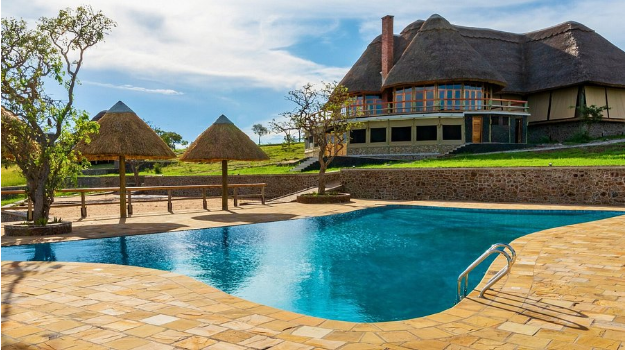
A Serengeti safari changes how you see the natural world. Lions rest in the shade of a kopje, wildebeest herds move across the horizon, and the night sky is bright with stars. A Serengeti luxury lodge adds refined comfort, expert guiding and a sense of privacy to that raw landscape.
This guide explains what luxury means in the Serengeti, how to choose between lodge styles and regions, and how to plan a stay that justifies the investment.
What Defines a Serengeti Luxury Lodge?
“Luxury” is used loosely in the safari industry, so it helps to know what sets a genuine luxury property apart. Beyond a nice room, look for these hallmarks.
Exceptional location. The best lodges sit in prime wildlife areas, often on a ridge, beside a river or overlooking open plains. A view from your bed or private deck is part of the appeal.
Personalized service. Small guest numbers allow a high staff-to-guest ratio. Expect hosts who remember your preferences, from your morning coffee to your photography interests.
Quality guiding. The guide largely determines the quality of your safari. Top lodges employ experienced, well-trained naturalists who read animal behavior and position vehicles with care. Many offer private vehicles or exclusive-use options.
Thoughtful design. Luxury lodges blend into the landscape using natural materials, large windows and open-air spaces. Many invest in solar power, water conservation and community partnerships.
Fine food and drink. Meals are often prepared from fresh, locally sourced ingredients, with curated wine lists and bush dinners under the stars.
All-inclusive convenience. Most luxury lodges bundle accommodation, meals, drinks, laundry and daily game drives into one rate, though park fees, flights and some activities may be extra.
Lodge, Tented Camp or Mobile Camp?
The word “lodge” covers several styles. Knowing the differences helps you match the accommodation to your priorities.
Permanent Lodges
These are built structures with solid walls, often with spa facilities, pools and dedicated lounge areas. They suit travelers who want maximum comfort and amenities, including families and those who prefer a more traditional hotel feel.
Luxury Tented Camps
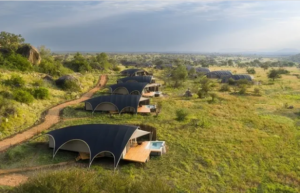
Despite the name, these tents are far from basic. Expect hardwood floors, king beds, en-suite bathrooms with proper showers, and canvas walls that bring you close to the sounds of the bush. Many people find this style the most atmospheric.
Seasonal and Mobile Camps
Mobile camps relocate through the year to follow the Great Migration. They offer a more intimate, adventurous feel with a smaller footprint, while still providing comfortable beds, hot water and excellent food. If your goal is to be where the herds are, these are worth considering.
Where to Stay: Choosing Your Region
The Serengeti is vast, and the area you choose affects what you see. Wildlife movements vary with the seasons, so match your region to your travel dates.
Central Serengeti (Seronera). This area offers dependable year-round game viewing, especially big cats. It is also the most accessible region and the busiest, so lodge location and guiding choices matter.
Northern Serengeti. The north is known for the dramatic Mara River crossings, typically between roughly July and October. It tends to be quieter, with a more remote feel.
Western Corridor and Grumeti. Rivers, forests and floodplains here create varied habitats. The Grumeti area is popular for its private-concession feel and diverse activities.
Southern Serengeti and Ndutu. From roughly December to March, the southern plains host calving season, with large herds and active predators.
Migration timing varies from year to year with the rains, so treat dates as guidelines and ask your lodge or operator for current advice.
The Experience: What Your Days Look Like
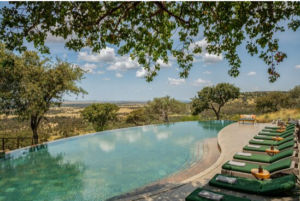
Luxury lodges structure the day around wildlife. A typical rhythm might look like this:
- Pre-dawn wake-up with coffee and a light breakfast
- Morning game drive when animals are most active and the light is soft
- Brunch or full breakfast back at the lodge
- Midday rest by the pool, with a massage, or on your private deck
- Afternoon game drive into the golden hours
- Sundowners on a hilltop or open plain
- Dinner in the main lodge or a private bush setting, followed by a night of listening to the savanna
Signature Activities
- Private game drives in an open-sided 4×4, sometimes with your own vehicle and guide
- Hot-air balloon flights at sunrise, followed by a champagne breakfast on the plains
- Guided bush walks in permitted areas, which are available at some lodges and concessions
- Night drives, again only in permitted areas
- Cultural visits that give context about local communities and traditions
- Photography safaris with guides trained to position vehicles for the best light and angles
Best Time to Visit a Serengeti Luxury Lodge
Each season has something to offer, and the right choice depends on your priorities.
| Season | Highlights | Considerations |
| January to March | Calving season in the south; strong predator action | Occasional showers; green landscapes |
| April to May | Quiet roads; lower rates; lush scenery | Heavy rains; some lodges close |
| June to October | Dry season; excellent visibility; northern river crossings | Peak demand and highest prices |
| November to December | Short rains; migratory birds; fewer visitors | Variable weather |
For first-timers who want the most reliable game viewing, the dry season is the classic choice. If you prefer fewer vehicles and don’t mind a little rain, the green season offers excellent value and beautiful light.
What Does It Cost?
Luxury in the Serengeti is a significant investment. Rates at top-tier lodges commonly run from several hundred to well over a thousand US dollars per person per night, depending on the property, season and inclusions. Peak months usually cost the most, while shoulder seasons often bring savings.
Beyond the nightly rate, budget for:
- Park and concession fees, which are charged per person per day and vary by area
- Flights, since many travelers use light aircraft between airstrips
- Activities such as balloon safaris
- Tips for guides and staff
- Travel insurance, including medical evacuation cover
Always confirm exactly what your rate includes, since inclusions vary widely between properties.
How to Choose the Right Lodge
Use these questions to narrow your options:
- What do you most want to see? Match the region to the season and your wildlife priorities.
- How private do you want to be? Smaller camps and private concessions generally mean fewer vehicles.
- What is the guiding policy? Ask about vehicle sharing, guide experience and whether private vehicles are available.
- How close is the wildlife? Some lodges are in prime areas; others require longer drives.
- Who are you traveling with? Family, honeymoon and photography trips each call for different features. Check minimum age policies for children.
- What are the sustainability credentials? Look for solar power, waste management, community involvement and conservation support.
- What do recent guests say? Read recent, detailed reviews rather than relying on brochure language.
Practical Planning Tips
- Book early. Top lodges fill up months, sometimes a year, ahead for peak months.
- Consider a specialist. An experienced safari planner can match lodges, flights and timing, and often has insight you won’t find online.
- Combine regions. Splitting your trip between two areas can increase wildlife variety.
- Allow enough time. Three to four nights in one area is a sensible minimum; a week or more lets you experience more.
- Pack light and practical. Soft bags suit light-aircraft weight limits. Bring neutral clothing, layers, sun protection, binoculars and a camera with a good zoom lens.
- Check health requirements. Consult a travel clinic about vaccinations and malaria prevention well before departure.
Conclusion
A Serengeti luxury lodge turns an extraordinary wildlife destination into an intimate, comfortable and deeply memorable journey. The right choice comes down to a few decisions: the region and season that match what you want to see, the style of lodge that fits your temperament, and the quality of the guiding that will shape each day. Do that research, set a realistic budget and book early. You will wake to birdsong, watch the plains turn gold at sunset and sleep to the sound of the wild.
Key Takeaways
- Genuine luxury in the Serengeti means prime location, personalized service, expert guiding, thoughtful design and fine dining.
- Lodge styles include permanent lodges, luxury tented camps and mobile camps; each offers a different feel.
- Your region and timing determine what you see: central for year-round cats, north for river crossings, south for calving season.
- The dry season (June to October) is the most popular; the green season offers value and fewer crowds.
- Rates commonly run from hundreds to over a thousand US dollars per person per night, with park fees, flights and activities often extra.
- Book early, confirm inclusions and consider a specialist planner.
Frequently Asked Questions
- What makes a Serengeti lodge “luxury”?
Luxury is defined by location, service, guiding quality, design, cuisine and privacy rather than a star rating alone. Look for a high staff-to-guest ratio, expert guides and thoughtful inclusions. - How much does a Serengeti luxury lodge cost?
Prices vary widely by property and season. Expect rates from several hundred to well over a thousand US dollars per person per night. Park fees, flights and some activities may be additional. - What is usually included in the rate?
Many luxury lodges include accommodation, meals, selected drinks, laundry and daily game drives. Park fees, flights, premium activities and tips are often excluded, so always confirm. - When is the best time to visit?
The dry season, June to October, is popular for visibility and wildlife concentration. January to March suits the calving season in the south. The green season offers lower rates and quieter roads. - Where should I stay to see the Great Migration?
The herds move through the ecosystem during the year. The south and Ndutu area are typically strong from roughly December to March, and the north is known for Mara River crossings from about July to October. Conditions vary yearly, so ask for current advice. - Is a tented camp as comfortable as a lodge?
Luxury tented camps often include real beds, en-suite bathrooms, hot showers and quality furnishings. Many travelers find them more immersive than built lodges. - How many nights should I stay?
At least three to four nights in one area is recommended. Five to seven nights, or a combination of regions, gives more variety and more chances to see key wildlife. - Are Serengeti luxury lodges suitable for children?
Policies differ. Some welcome families and offer child-friendly activities; others set minimum ages for safety and guest experience. Check before booking. - How do I get to the Serengeti?
Many visitors fly by light aircraft into airstrips within the park, often connecting via Arusha or Kilimanjaro. Others travel by road from Arusha, which takes longer but passes through other scenic areas. - Do I need vaccinations or malaria precautions?
Health requirements can change, so consult a travel health clinic well before departure for current advice on vaccinations and malaria prevention. - Is it worth booking through a safari specialist?
For many travelers, yes. A specialist can match lodges to your interests, coordinate flights and park logistics, and advise on timing, which can improve the overall trip.